





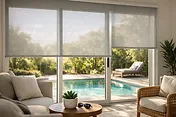
A bright Lower Mainland afternoon can turn a comfortable room into a glare-filled space fast. Zebra blinds give you a practical middle ground: soften direct sun, keep natural light in the room, and add privacy without closing yourself off from the day. They are a smart choice for homeowners who want more control than standard blinds can offer, with a clean look that suits everything from new townhomes to established family homes.
What Makes Zebra Blinds Different?
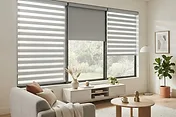
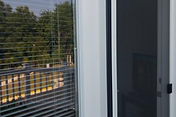
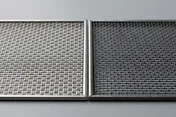
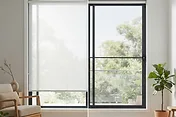
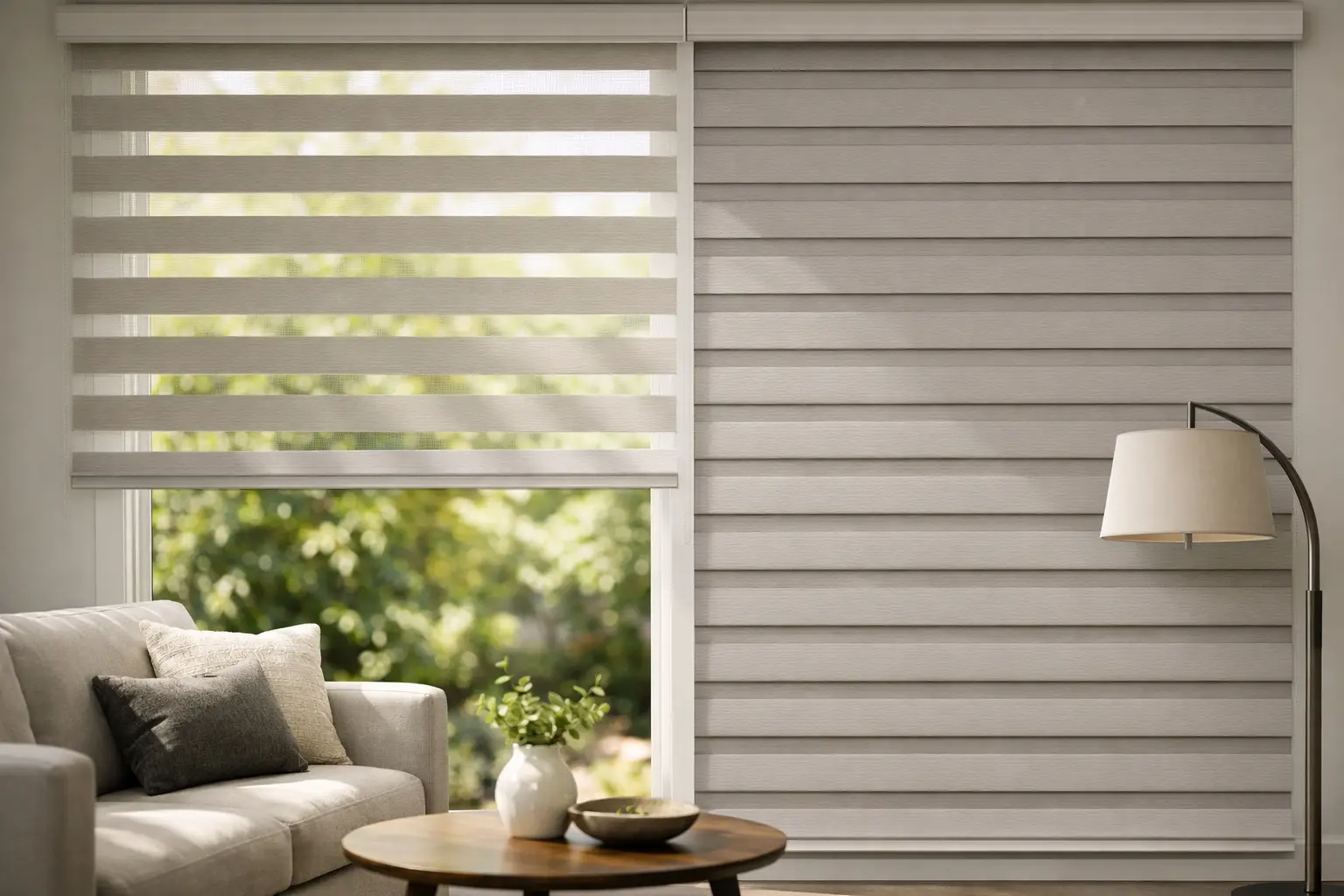
Zebra blinds use one continuous fabric made with alternating sheer and solid horizontal bands. As the fabric moves, the bands shift in front of one another. Align the sheer sections to let in filtered daylight and maintain an outside view. Align the solid sections to increase privacy and reduce light. Raise the shade fully when you want an open, unobstructed window.
That simple design is what makes them so adaptable. A roller shade is excellent when you want one fabric and one consistent level of coverage. Traditional horizontal blinds can tilt for light control, but their individual slats create a more segmented appearance and collect more dust. Zebra blinds offer a smoother, more contemporary finish while still letting you fine-tune the room throughout the day.
They are especially useful in living rooms, kitchens, home offices, and bedrooms where sunlight changes from morning to afternoon. Instead of choosing between fully open and fully closed, you can adjust the bands until the room feels right.
The Everyday Benefits of Zebra Blinds
The biggest benefit is adjustable light. On a sunny day, sheer alignment can reduce harsh glare on a TV screen, countertop, or computer monitor while keeping the room bright. When the sun shifts lower or privacy becomes more important, a quick adjustment brings the solid bands into place.
Privacy is another reason homeowners choose this style. Zebra blinds can limit sightlines into main-floor rooms from neighboring homes or the street without making the space feel dark all day. That balance matters in closely built neighborhoods, condos, and homes with large front-facing windows.
The fabric also helps reduce UV exposure. Direct sunlight can fade hardwood, flooring, artwork, upholstery, and area rugs over time. Zebra blinds are not a substitute for blackout coverage when total darkness is required, but they can reduce the intensity of everyday sun exposure and make rooms more comfortable.
Their clean profile is equally appealing. The shade rolls neatly into a top cassette or valance option, depending on the selected style. There are no individual slats hanging in the window, which gives the treatment a tidy, streamlined look. For busy households, that also means fewer small surfaces to dust.
Where They Work Best - and Where Another Shade May Be Better
Zebra blinds work beautifully in spaces where you want filtered daylight and flexible privacy. They are often a strong fit for front rooms, dining areas, home offices, family rooms, and kitchen windows. In a home office, for example, the sheer bands can cut screen glare without turning on every light in the room.
Bedrooms require a more careful decision. Room-darkening zebra fabrics can noticeably reduce incoming light, but small gaps around the edges and light filtering through the sheer bands may still be present. If you need near-total darkness for a nursery, shift worker’s bedroom, or media room, a blackout roller shade may be the better choice. Some homeowners also pair a zebra blind with drapery for additional darkness, softness, and insulation.
Bathrooms and high-humidity rooms are another situation where product selection matters. The right materials and installation approach can make a difference, but it is worth discussing the window location before ordering. A custom recommendation should account for moisture, ventilation, window depth, and how often the shade will be used.
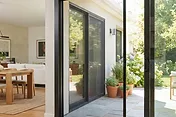
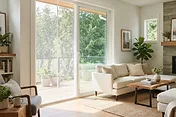
For patio doors and large glass openings, zebra blinds may work well depending on the layout, but they are not always the most convenient option. Sliding panels, roller shades, or carefully planned separate shades can provide easier daily access. The best solution depends on the door direction, handle clearance, and whether the opening is used frequently.
Why Custom Measurement Matters for Zebra Blinds
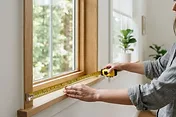
A zebra shade can look simple once it is installed, but the fit is not simple guesswork. Window openings are rarely perfectly square, especially in older homes. Trim depth, handle placement, tile, casing, and the opening mechanism all affect whether an inside mount or outside mount will look and function best.
With an inside mount, the shade sits within the window recess for a built-in look. This requires enough depth for the selected system and accurate measurements at several points. An outside mount installs on the wall or trim and can provide broader coverage, which is useful when the window is shallow or when you want to reduce side light gaps.
Precise measurement is also important because zebra blinds have visible horizontal bands. If a shade is too narrow, too wide, or not installed level, the alignment can look off every time you adjust it. Professional measurement helps ensure the headrail is secure, the fabric hangs properly, and the finished treatment looks intentional rather than improvised.
Choosing Fabric, Color, and Opacity
Start with how the room is used, not just with color. A bright south- or west-facing room often benefits from a fabric that filters more light. A shaded room may need a lighter, more open weave so it does not feel closed in. If privacy is your main concern, choose a fabric and band size that gives solid coverage when aligned.
Neutral colors remain popular because they work with changing furniture and paint colors. White, soft gray, warm beige, and muted charcoal can complement many interiors without competing with the room. Still, lighter fabric does not always mean more light control, and darker fabric does not automatically mean blackout performance. Opacity and weave matter more than color alone.
Band size changes the visual effect too. Narrower bands can feel more detailed and subtle, while wider bands create a bolder horizontal pattern and a more open view when the sheer sections align. Looking at samples in the actual room is the best way to see how daylight affects the fabric color and privacy level.
Manual or Motorized Operation?
Manual zebra blinds are reliable, affordable, and easy to operate. A chain control gives precise positioning and is often ideal for standard windows that are easy to reach. For homes with children or pets, cordless and safer control options should be considered based on the selected product.
Motorized shades are worth considering for tall windows, hard-to-reach areas, large groups of windows, or simply a more convenient daily routine. With motorization, you can adjust several shades together instead of walking from room to room. It is particularly useful for high foyer windows, stair landings, and rooms where afternoon sun arrives at the same time each day.
Motorization costs more than a manual system, so it is not necessary for every window. Many homeowners use it selectively: motorized shades for the most difficult or frequently used windows and manual shades elsewhere. Planning power access and control preferences before fabrication helps avoid compromises later.
Care and Cleaning
Regular care is straightforward. Use a feather duster, soft microfiber cloth, or the low-suction setting on a vacuum with a brush attachment to remove dust. Clean gently in the direction of the fabric bands and avoid pulling or creasing the material.
Skip harsh cleaners, soaking, and aggressive scrubbing. Zebra shade fabrics are designed for normal household use, but strong chemicals and excess moisture can affect their finish or leave marks. For a spot that needs more attention, follow the manufacturer’s care instructions or ask your installer before trying a cleaning product.
A Better Result Starts Before Installation
The right window covering should make daily life easier, whether that means fewer afternoon hot spots, more privacy at street level, or a cleaner finish in a newly updated room. For homeowners considering zebra blinds, the most useful first step is to identify what the window needs to do at different times of day. Once light, privacy, access, and room use are clear, choosing the right fabric and fit becomes much more straightforward.