




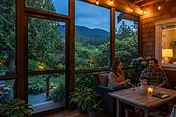

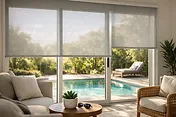
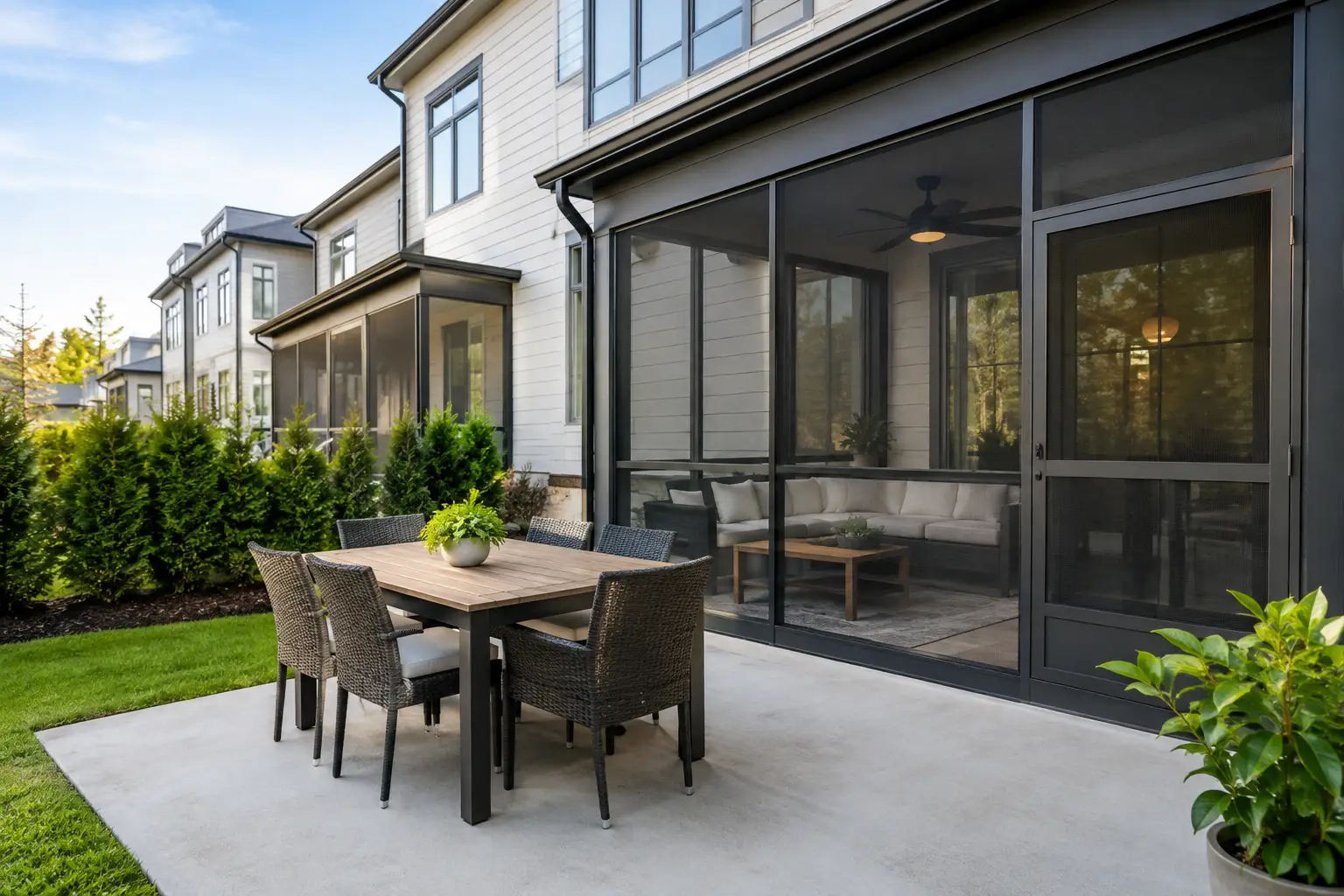
A townhome can feel perfect on a cool evening - until opening the patio door also means inviting in mosquitoes, wasps, and every bug drawn to the kitchen lights. Well-planned townhome screen projects let you use your windows and doors the way they were meant to be used: for fresh air, easy patio access, and a more comfortable home.
The right screen solution is rarely a one-size-fits-all purchase. Townhomes often combine sliding patio doors, narrow windows, French doors, upper-floor bedrooms, shared exterior sightlines, and limited storage space. A custom-fit plan accounts for each opening, how your household uses it, and the practical details that determine whether a screen works well for years or becomes something you avoid using.
Why Townhomes Need a Different Screening Plan
Townhome layouts put a lot of pressure on a few key openings. The patio door may be the main route to the yard, deck, or balcony. A front door may be the only place to create cross-breezes on a warm day. Bedroom windows need ventilation at night without becoming an entry point for insects.
Unlike a detached home with multiple exterior sides and extra window options, townhomes often have less flexibility. That makes each screen more valuable. A poorly fitting door screen that sticks, rattles, or comes off its track can quickly turn into a daily frustration. A properly measured screen should feel like part of the opening, not an obstacle in the way.
There is also the visual side. Screens are visible from patios, shared walkways, and neighboring homes. Clean frames, appropriate colors, and discreet hardware matter when you want practical insect protection without making the exterior look cluttered.
Match the Screen to the Opening
The most successful townhome screen projects begin with the opening itself, not with a generic product choice. A window, a sliding glass door, and a pair of French doors each need a different approach.
Sliding patio and balcony doors
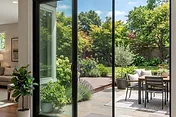
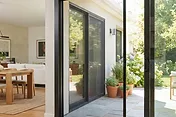
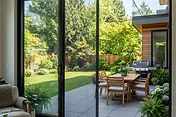
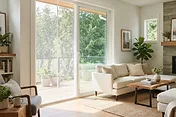
For many townhome owners, the sliding glass door is the highest-use opening in the home. A sliding screen door is often a practical choice when there is an existing track and enough room for the screen panel to operate properly. It provides a familiar, straightforward way to move between indoors and out while keeping bugs outside.
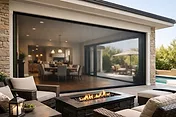
Large-opening retractable screen systems can be a better fit when a standard slider is not practical or when you want the screen to disappear when it is not in use. This can be especially useful for patio doors that lead to entertaining spaces. The trade-off is that retractable systems require precise alignment and careful installation so they open smoothly and remain secure in changing weather.
French doors and front doors
French doors create a wider, more open feel, but standard sliding screens rarely work with their configuration. Retractable screens are often the cleaner option because they can cover one or both door openings and retract when the doors are closed.
For front doors, the decision comes down to use. If you regularly want airflow through the entryway, a retractable door screen can make the space more livable during warmer months. If the door is mostly decorative or rarely opened, it may make more sense to prioritize window screens elsewhere in the home.
Windows that actually get opened
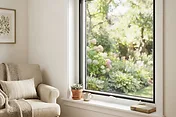
Not every window needs the same mesh or frame style. Screens for bedroom windows, kitchen windows, and upper-floor windows should be selected based on the window type, how often it is opened, and how easy the screen will be to remove for cleaning.
Custom window screens are particularly helpful in newer townhomes where dimensions can look standard but vary slightly from opening to opening. A loose screen leaves gaps. A screen forced into place can warp the frame or make future removal difficult. Accurate measurement avoids both problems.
Choose Mesh for Your Household, Not Just the Bugs
Standard insect mesh works well for many homes, but it is not the only option. The right material depends on what happens around the screen every day.
Pet-resistant mesh is a smart upgrade for homes with dogs or cats that press against doors, paw at screens, or watch the yard from a favorite window. It is made to handle more contact than standard mesh, although no screen should be treated like a pet gate. If a dog regularly charges toward the patio door, the installation should account for that traffic pattern.
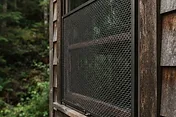
Rodent-repellent screen materials can help protect vulnerable lower-level vents and openings where small pests may be a concern. They are a deterrent, not a promise that no animal will ever test the barrier. Gaps around frames, damaged weatherstripping, and open access points elsewhere still need attention.
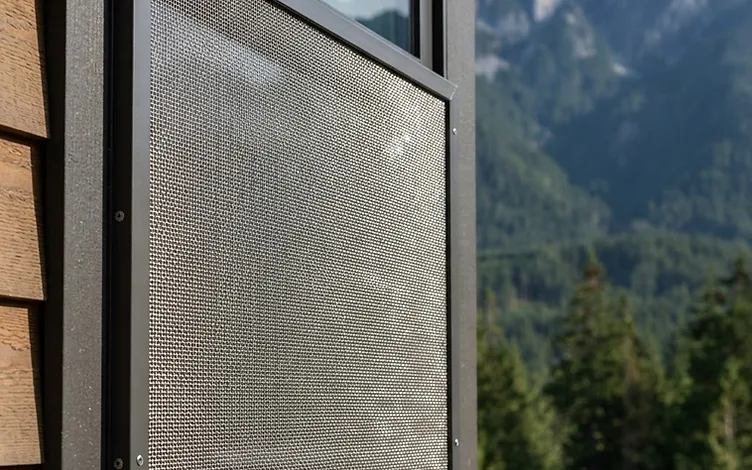
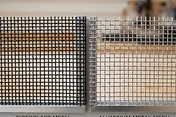
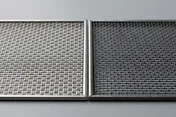
Finer mesh can also help reduce tiny insects, but there is a trade-off. The finer the mesh, the more it can affect airflow and visibility. For a breezy patio door, many homeowners prefer a balanced mesh that keeps everyday pests out without making the view feel noticeably darker.
Do Not Treat Privacy and Sun Control as Separate Projects
Screens manage insects and airflow. Window coverings manage glare, privacy, heat, and light. In a townhome, the two often work best as part of one plan.
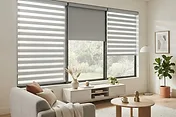
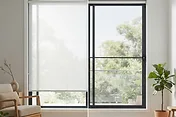
Homes with close neighboring windows may need daytime privacy in living areas and better light control in bedrooms. Roller blinds provide a clean, simple look, while zebra blinds offer adjustable light filtering without the bulk of traditional treatments. Motorized shades can be especially convenient for tall stairwell windows, hard-to-reach upper windows, or rooms where you adjust coverings throughout the day.
The best choice depends on the room. A west-facing living room may need stronger sun control to reduce afternoon heat and glare. A dining room facing a shared patio may need privacy while still keeping the room bright. A bedroom may need both insect screens for night ventilation and room-darkening shades for sleep.
Planning these features together can also prevent visual mismatches. Coordinated screen frames and window coverings create a more finished result than adding one temporary fix at a time.
Measurement Is Where a Good Screen Project Is Won
Townhome openings can be surprisingly inconsistent. Settling, renovation work, track wear, trim details, and slightly out-of-square frames all affect the final fit. That is why measuring only the visible glass area is not enough.
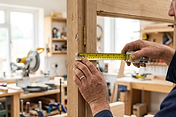
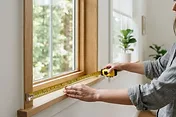
Professional on-site measurement checks the actual mounting surface, track depth, clearance around handles, frame condition, and how the door or window operates. On a retractable system, it also confirms where the cassette and guide tracks can be installed without interfering with locks, trim, or exterior details.
Before moving ahead, check whether your homeowners association has requirements for exterior-facing changes. Many screen installations are discreet, but rules can apply to frame colors, visible hardware, or alterations around common-property areas. It is easier to confirm this early than to make changes after fabrication.
A Practical Process Keeps the Project Moving
For most homeowners, the easiest first step is a remote estimate based on photos and basic opening information. Clear photos of the full door or window, the surrounding trim, and any existing tracks help identify suitable options before an on-site visit.
Once you approve the direction and pricing, final measurements should be taken in person. Products are then made to fit the confirmed dimensions and installed by someone who is accountable for the finished operation, not just the sale. At Bloom Bug, this approach helps keep typical projects organized from estimate through installation, often within one to two weeks depending on the product and fabrication schedule.
When reviewing a quote, look beyond the screen itself. Ask what mesh is included, whether installation and adjustment are part of the price, how the frame is finished, and who handles an issue if the fit needs attention. A lower upfront number is not always a better value if it leaves you managing measurements, missing components, or repairs later.
Common Townhome Screen Mistakes to Avoid
The most common mistake is buying an off-the-shelf screen based only on approximate dimensions. It may look close enough until bugs find the gap, the door catches on the frame, or the screen pops out during regular use.
Another is installing the same mesh everywhere. A pet-access patio door, a second-floor bedroom window, and a ground-level opening near landscaping may each need different priorities. Durability, visibility, airflow, and pest resistance are not identical needs.
It also helps to avoid choosing a screen without considering daily traffic. Think about groceries, children, pets, patio furniture, and how frequently the opening is used. The best screen is one that people can operate easily enough to use every day.
Finally, do not wait until insect season is at its worst to start planning. Measurement, fabrication, and installation take time, and the best moment to solve a screen problem is before you are keeping the doors closed on a beautiful evening.
Questions Homeowners Often Ask
Can screens be installed in a townhome without damaging the door?
A properly selected and installed screen should use the appropriate mounting points and clearances for the opening. Final measurements help determine whether the existing frame, track, and trim can support the chosen system.
Are retractable screens worth it for a patio door?
They can be an excellent fit when you want a wide opening, a less visible screen when it is retracted, or a solution for doors that do not work with a standard sliding panel. For a simple existing slider with a usable track, a sliding screen may be the more economical option.
What should I do if my current screen keeps falling out?
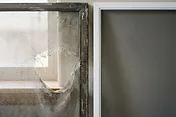
The frame may be bent, the mesh may have lost tension, or the opening may not have been measured correctly in the first place. Replacing it with a made-to-measure screen is usually more reliable than repeatedly adjusting a poor fit.
A good screen project should make your home easier to enjoy, not give you another door or window to fight with. Start with the openings you use most, choose materials that fit your household, and let precise measurement do the work that guesswork cannot.