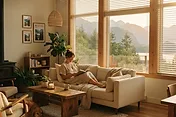
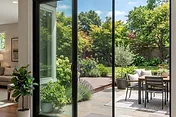
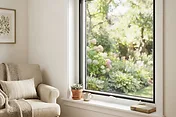
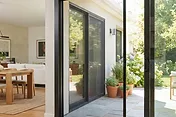
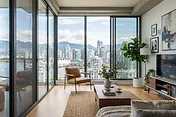

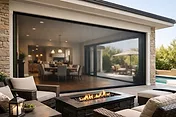
A sunroom should feel like the room everyone gravitates toward, not the room you avoid from noon until dinner. This sunroom shading options guide helps you choose a solution that cuts glare and heat without taking away the daylight, view, or open-air feeling that made you want a sunroom in the first place.
In Lower Mainland homes, the right answer often depends on more than window size. The direction your sunroom faces, the amount of roof glass, whether you use the room for dining or plants, and how much privacy you need all affect the best choice. A custom-fit shade is usually a much better investment than a standard-size covering that leaves bright gaps around the edges.
Start With the Problem You Want to Solve
Sunlight creates several different issues, and one product does not solve all of them equally well. If afternoon glare makes it hard to read, work, or watch television, you need controlled light filtering. If the room becomes uncomfortably hot, solar heat reduction should be the priority. If neighboring homes overlook the space, privacy matters too.
UV protection is another practical concern. Strong sun can fade flooring, furniture, artwork, and fabrics over time, even when the room does not feel particularly hot. Homeowners with south- or west-facing sunrooms commonly need a shade that reduces UV exposure while keeping the room bright enough for everyday use.
Before selecting a fabric or blind style, spend a day noticing when the room is hardest to use. Morning glare, late-day heat, and nighttime privacy call for different levels of coverage. This simple step prevents choosing a beautiful treatment that looks right but does not perform where it counts.
Sunroom Shading Options That Work Best
Roller shades for clean, practical coverage
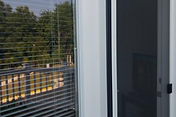
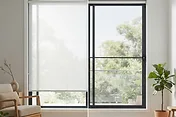
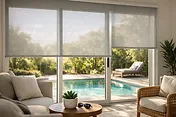
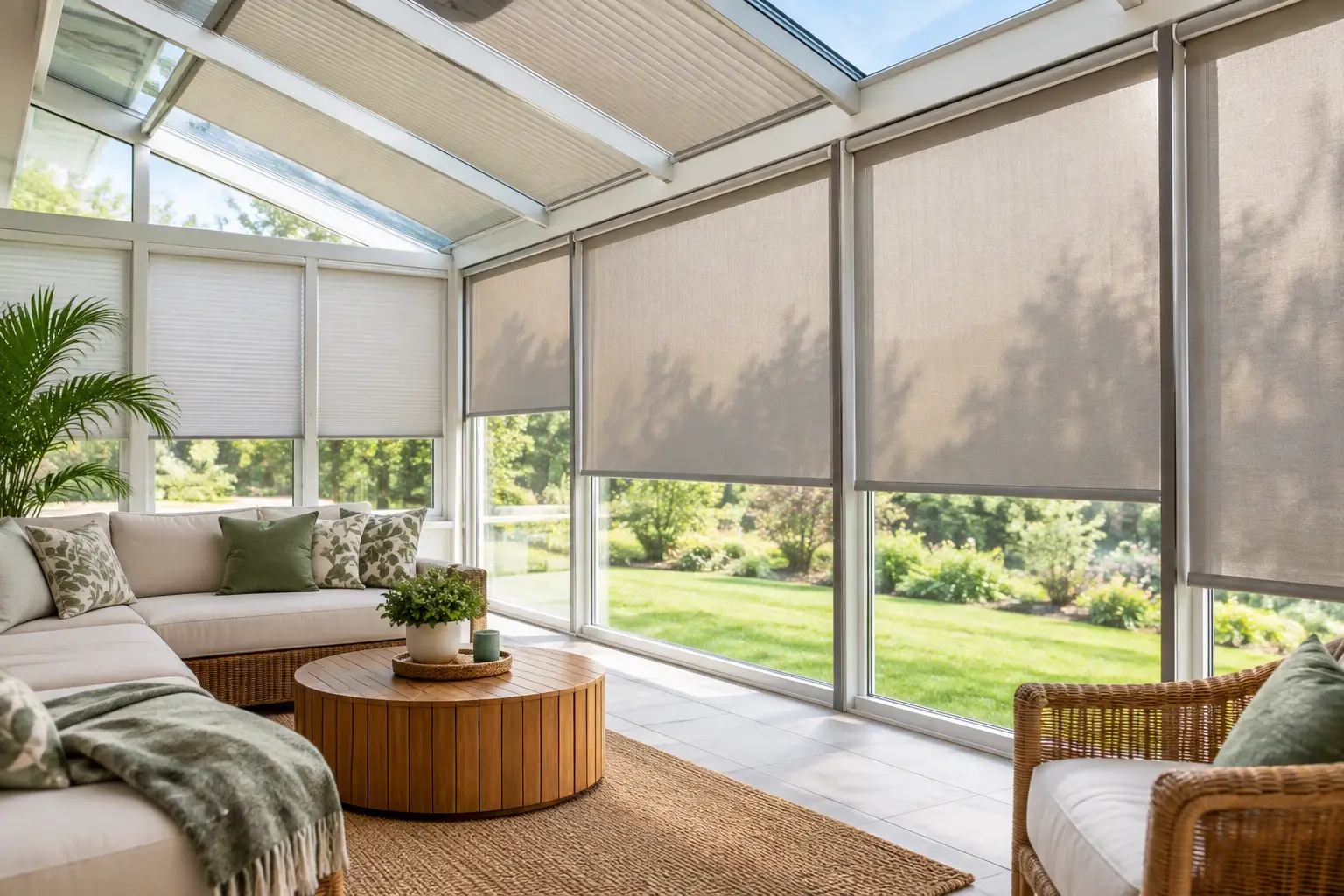
Roller shades are one of the most versatile choices for sunroom windows. They sit close to the glass, roll up neatly when you want an open view, and can be made to fit individual windows precisely. For a sunroom with many panes, their simple profile keeps the room from looking crowded.
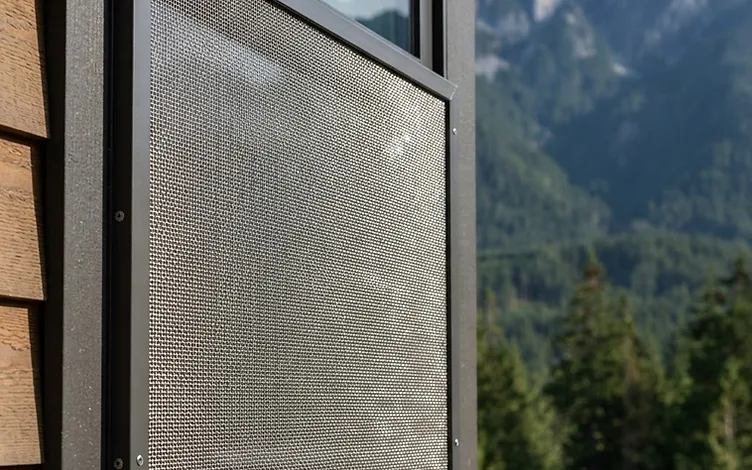
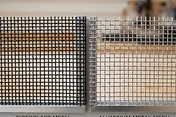
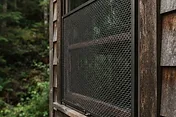
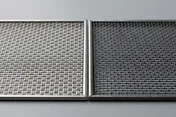
Solar screen fabrics are especially useful when glare and UV protection are the main concerns. They filter harsh sunlight while preserving a degree of outward visibility during the day. The openness of the fabric matters: a tighter weave offers more privacy and glare control, while a more open weave preserves a clearer view.
For maximum light blocking, blackout roller shades are effective, but they can make a sunroom feel closed in when lowered. They are usually better suited to a media area or a room that gets extreme afternoon sun than to every window in the space. A light-filtering or solar fabric is often the better everyday compromise.
Zebra blinds for adjustable light and privacy
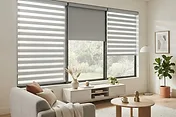
Zebra blinds use alternating sheer and solid fabric bands. By adjusting the bands, you can move from filtered daylight to greater privacy without fully raising the blind. That flexibility works well in sunrooms used throughout the day, especially when the sunlight shifts across the room.
They offer a softer, more decorative appearance than many solar roller shades and give homeowners more control than a fixed fabric opacity. The trade-off is that zebra blinds are not usually the first choice for the highest heat reduction on a large bank of very sunny glass. They are best when adjustable light, privacy, and a polished interior look are equally important.
For a sunroom connected to the main living area, matching zebra blinds to nearby window coverings can make the addition feel like part of the home rather than a separate seasonal space.
Motorized shades for high windows and daily comfort
Many sunrooms have tall windows, transoms, skylights, or awkward-to-reach glass above doors. Motorized shades make those openings usable instead of permanently uncovered. With a remote or programmed controls, you can lower shades before the strongest sun arrives and raise them later without climbing, stretching, or handling multiple cords.
Motorization is also helpful for wide walls of glass. Rather than adjusting several shades one by one, you can operate a group together. For families, this makes it more likely the shades will actually be used consistently, which is where energy comfort and UV protection deliver their value.
A motorized system costs more than manual shades, so it makes the most sense for inaccessible windows, large installations, or homeowners who want scheduled control. For a few standard-height windows, manual custom roller shades may be the more budget-conscious choice.
Exterior shades and awnings for heat before it reaches the glass
Interior blinds and shades manage sunlight after it has passed through the window. Exterior shading stops more solar heat before it enters, which can make a noticeable difference in a sunroom that overheats quickly. Exterior roller shades, awnings, pergola covers, and roof overhangs can all help, depending on the structure.
This approach is worth considering for west-facing sunrooms that receive intense late-day sun. However, exterior products must withstand rain, wind, and debris, so material quality and installation details matter. They can also change the outside appearance of the home more than interior shades do.
In some cases, the strongest solution is a combination: exterior coverage to reduce peak heat and interior shades for privacy, glare control, and a finished look after dark.
Window film for permanent glare and UV reduction
Window film is a low-profile option that adheres directly to glass. It can reduce UV exposure and glare without changing the appearance of the room as much as blinds or shades. Some films also help reduce solar heat gain.
The limitation is control. Once installed, film is always working at the same level. You cannot raise it for a clear winter view or lower it when the sun becomes intense. It also does not provide nighttime privacy in the same way as an opaque or room-darkening shade. Film can be useful as a supporting layer, but it rarely replaces adjustable window coverings in a multipurpose sunroom.
Do Not Forget the Roof Glass
A sunroom with a glass roof or skylights may collect most of its heat from above. Shading only the vertical windows can leave the room brighter and hotter than expected. Skylight shades, roof-specific systems, or exterior roof shading may be necessary if overhead sunlight is the main issue.
This is where professional measuring is particularly valuable. Angled, oversized, and high-mounted openings need the right product tension, mounting method, and fabric choice. An off-the-shelf shade may sag, leave gaps, or be difficult to operate safely.
Match Shade Opacity to How You Use the Room
Fabric opacity is not just a color decision. It determines how much glare, heat, view, and privacy you keep. A darker solar fabric may improve outward visibility in bright daylight, while a lighter fabric can make the room feel airier from inside. Neither choice is automatically better.
For a plant-filled sunroom, filtered light may protect delicate leaves while still supporting growth. For a dining space, a medium-filtering fabric can soften the sun without making lunch feel dim. If you use the room as an office or television area, a denser fabric or layered approach may be needed on the sunniest windows.
At night, remember that solar shades offer limited privacy when indoor lights are on. If privacy is essential, choose a more opaque shade, add a secondary treatment, or prioritize zebra blinds that can be aligned for more coverage.
A Custom Fit Makes the Difference
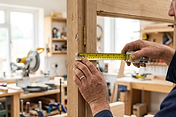
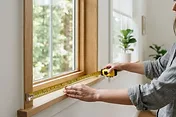
Sunrooms often include narrow panes beside doors, wide picture windows, unusual trim, and openings that are not perfectly square. Custom measurement helps shades sit correctly, operate smoothly, and cover the glass where glare enters. It also lets you coordinate fabric color, hardware, and control options across the whole room.
For homeowners who want quick, affordable, good-quality blinds made locally, Bloom Bug can help narrow the choices based on your sun exposure, window layout, and daily routine. A clear measurement and product plan is far more useful than guessing from a sample photo.
The best sunroom shade is the one you will use without thinking twice. Choose coverage that suits the hardest hour of the day, then make sure the room can still feel bright, comfortable, and connected to the outdoors the rest of the time.