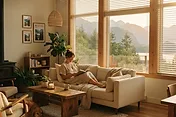

A west-facing living room can feel comfortable at 9 a.m. and unbearably bright by dinner. A tall stairwell window may be easy to admire but impossible to adjust. Smart window treatments solve these everyday problems by letting your shades respond to a schedule, a remote, an app, or a simple voice command.
For many Lower Mainland homeowners, the appeal is not technology for technology's sake. It is being able to control glare during work calls, protect floors and furniture from harsh UV exposure, create privacy at night, and reduce the heat building up in sunny rooms. The right motorized shade should make your home easier to live in, not add another complicated device to manage.
What makes window treatments “smart”?
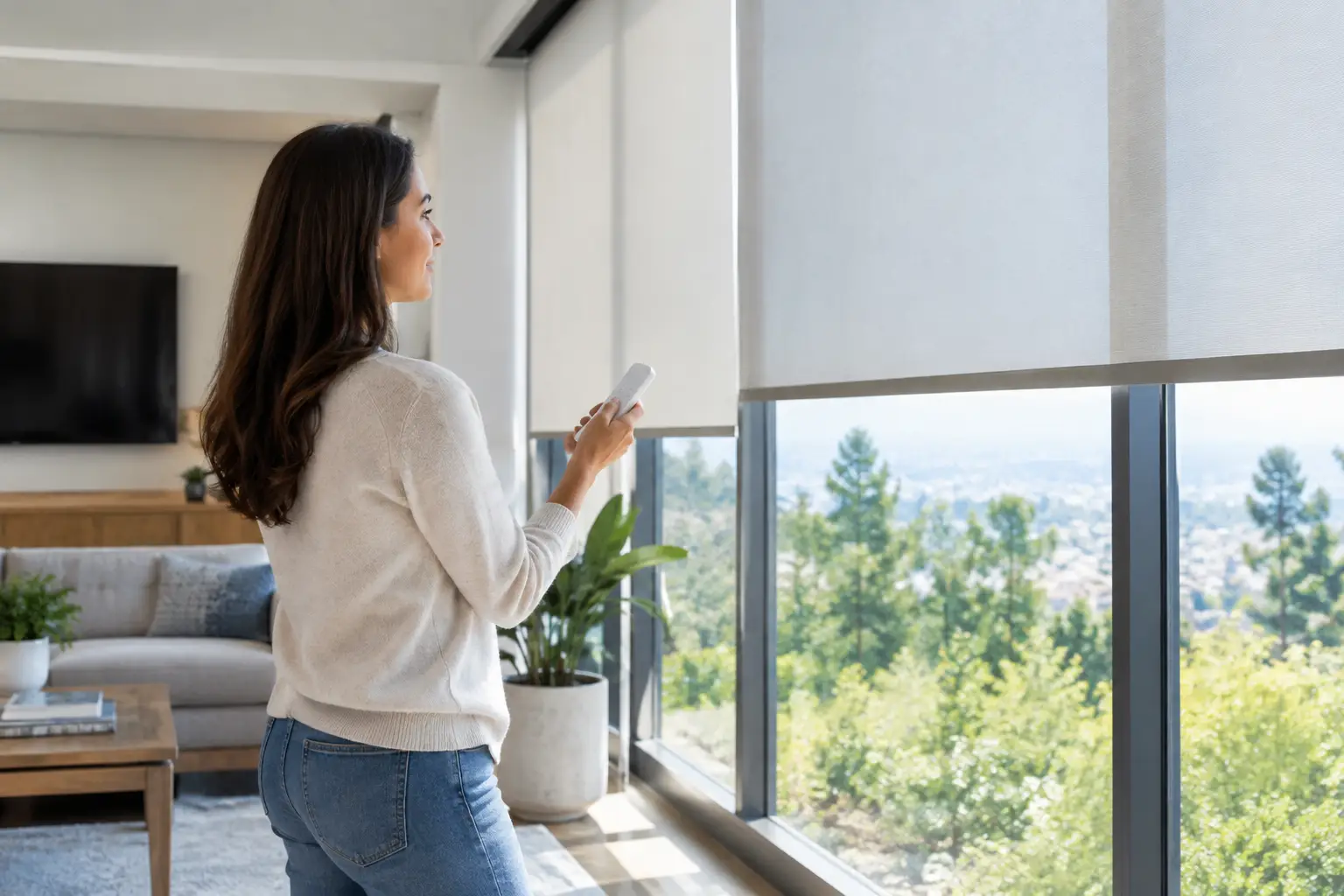
Smart window treatments are blinds or shades with a motor built into the roller or headrail. Instead of pulling a chain or cord, you adjust them with a handheld remote, wall control, phone app, timer, or compatible home automation system.
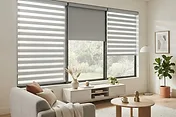
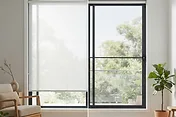
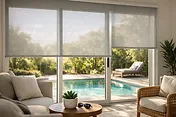
Motorized roller shades and zebra blinds are popular choices because their clean design works well with automated controls. Roller shades raise or lower as one panel, offering a simple, modern look. Zebra blinds use alternating sheer and opaque bands, allowing you to soften light or increase privacy without always raising the shade fully.
The smart feature is the control system, but the shade fabric and fit still do most of the practical work. A beautifully automated shade will not solve afternoon glare if the fabric is too sheer. Likewise, a blackout material may be too heavy-handed for a kitchen that needs daylight. The best result comes from matching the motor, shade style, fabric openness, and mounting method to the room.
Where smart window treatments make the biggest difference
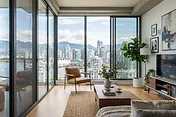
Motorization is especially useful on windows that are difficult to reach. Think high foyer windows, skylights, stair landings, large great-room glass, or windows behind a sectional sofa. If operating a manual shade feels inconvenient, it often stays in one position all day. Automation helps you actually use the light control you paid for.
Bedrooms are another strong fit. Scheduled shades can open gradually in the morning and close before bedtime, making a room feel more settled without another task on your evening list. In a nursery, a remote-controlled blackout roller shade can be far more convenient than reaching around furniture during nap time.
Living rooms, home offices, and media spaces benefit from repeatable settings. You may want filtered daylight in the morning, less screen glare in the afternoon, and full privacy after dark. With zebra blinds, a saved setting can maintain the balance between daylight and privacy that looks right in the room.
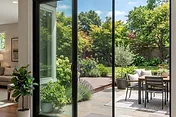
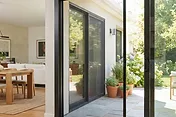
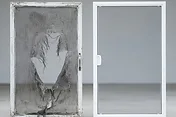
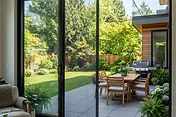
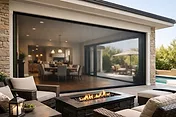
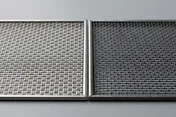
Large patio doors and wide openings can also benefit from motorized coverings, although the best product depends on how the door is used. A shade should not interfere with easy access to the patio, and it should work alongside a proper retractable or sliding screen if you want fresh air without mosquitoes, wasps, or other pests coming inside.
The benefits go beyond convenience
The obvious benefit is control from the couch, bed, or phone. The more meaningful advantages show up over time.
Better light and privacy control
Sunlight shifts through the day and across the seasons. Automated schedules can close shades before direct sun hits a room, rather than after the room has already overheated. In closely spaced neighborhoods, scheduled privacy settings are equally helpful. You can enjoy daylight when you want it and have coverage in place before the lights come on at night.
Help with indoor comfort and energy use
Window coverings can reduce solar heat gain, particularly on south- and west-facing windows. Smart controls make that protection more consistent. Closing shades during the hottest part of the day may help your air conditioning work less hard, while opening them on cooler bright days can bring in welcome natural warmth.
Results depend on the window size, glazing, orientation, shade fabric, and insulation throughout the home. Smart shades are not a substitute for efficient windows or a properly sized HVAC system. They are a practical layer of control that can make sunny rooms more comfortable.
Fewer cords, cleaner lines
Cordless and motorized treatments offer a tidier look, especially in modern homes and new builds. They also remove dangling cords from windows in spaces used by children and pets. This is one reason many homeowners choose motorized roller shades even for windows that are within easy reach.
Protection for interiors
Direct UV exposure can fade hardwood floors, artwork, upholstery, and wood furnishings over time. The right shade fabric can filter damaging light while preserving a view and some daytime brightness. A professional can help you choose between solar fabrics, light-filtering materials, room-darkening options, and blackout fabrics based on what you are protecting and how much light you want to keep.
Smart shades are not always the best choice
Motorization adds cost, and it is worth being honest about where it matters. A small guest-room window that is easy to reach may not need app control. A quality manual roller blind can be an excellent, affordable choice for that space.
Power is another consideration. Battery-operated motors are convenient when you do not want electrical work, but batteries will eventually need charging or replacement. Hardwired motors can be a good option during construction or renovation, especially for multiple shades, but they require planning before walls are closed. Plug-in options may work in some locations, provided the cord can be routed neatly and safely.
Home automation compatibility also varies. If you want shades to work with a specific voice assistant, smart-home hub, or scene-based routine, confirm compatibility before ordering. A remote-only system can be wonderfully simple and reliable for many households. There is no need to pay for advanced integrations you will not use.
Choosing the right smart shade for each room
Start with the problem, not the product name. If your main concern is glare while keeping a bright open feel, a solar or light-filtering roller shade may be the right direction. If privacy is the priority but you still want flexible daytime light, zebra blinds offer a useful middle ground. For bedrooms, media rooms, or shift workers, room-darkening or blackout roller shades are often the better fit.
Then consider the window itself. Inside mounting gives a clean, built-in appearance when the frame has enough depth and is reasonably square. Outside mounting can cover more of the window perimeter and help reduce light gaps, particularly when blackout performance matters. Large windows may need separate shades to maintain smooth operation and manageable fabric weight.
Color matters too. Lighter fabrics can make a room feel airy, but they may show more glow when exterior light is strong. Darker solar fabrics can improve outward view-through during the day in some applications, while also changing the room's overall mood. Samples are valuable because fabric can look very different in your home than it does under showroom lighting.
Why custom measurement matters for motorized shades
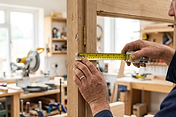
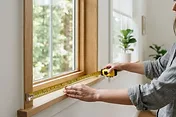
Smart controls cannot compensate for a shade that is poorly sized. Even a small measurement error can create uneven gaps, interfere with handles, or leave a roller blind looking off-center. This is particularly noticeable on large windows, paired openings, bay windows, and new homes where trim details vary from room to room.
Custom measurement also identifies practical issues before fabrication. A professional installer can check for window cranks, deep mullions, uneven drywall, trim clearance, outlet locations, door swing, and the best place for a charging or power solution. These details determine whether the finished treatment looks intentional and operates properly.
Bloom Bug's process is built around this kind of fit. After a remote estimate is approved, on-site measurements confirm the opening and the installation details before products are made. That helps avoid the common frustration of ordering a ready-made blind that almost fits but never quite works.
Plan your smart window treatment project in the right order
If you are building or renovating, talk about window coverings early. Hardwired motors, recessed pockets, hidden wiring, and coordinated smart-home controls are easiest to plan before final drywall, paint, and furniture placement. You do not need every fabric decision made on day one, but knowing which windows may be motorized can prevent costly changes later.
For an existing home, prioritize the rooms where the benefit is immediate: difficult-to-reach windows, sunny west-facing rooms, bedrooms, and spaces where privacy changes throughout the day. You can motorize a few key areas now and keep other windows manual. A mixed approach often gives homeowners the best value.
Before choosing a system, think through who will use it. A simple remote may be ideal for grandparents, tenants, or guests. App control and schedules may suit a busy family. If several people share the home, choose controls everyone can understand without a tutorial.
A practical investment in daily comfort
The best smart shade is the one you barely have to think about. It closes before glare takes over your office, adds privacy when evening arrives, and opens when you want natural light back in. With the right fabric, custom fit, and control method, smart window treatments become less about gadgets and more about making every room feel better at the right time of day.