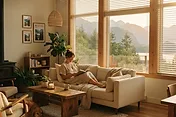




















The lunch rush is not the time to discover that sunlight is hitting half the dining room directly in the eyes. Guests shift seats, staff lower makeshift blinds, screens become unreadable, and the carefully planned atmosphere starts to feel uncomfortable. Well-planned restaurant shade installations solve that daily problem without making the room feel closed in.
For restaurants, cafes, breweries, and hospitality spaces, window coverings need to do more than look good. They have to manage changing daylight, protect finishes, preserve privacy where needed, and stand up to a busy commercial environment. The right choice depends on the windows, the direction they face, the service style, and how much control your team needs during the day.
Why restaurant window shades affect the guest experience
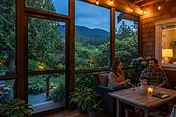
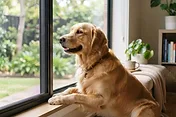
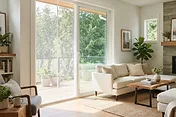
Natural light is valuable in a restaurant. It makes a small room feel open, helps food look appealing, and connects guests to the street, patio, or view outside. But unfiltered sun can quickly become a distraction. Afternoon glare can make a window-side table the least desirable seat in the room, while heat near large glass openings may leave guests and staff uncomfortable.
Custom shades let a restaurant keep the benefits of daylight while reducing its harsher effects. A light-filtering roller shade can soften bright exposure without blocking the view entirely. A blackout option may suit a private dining room, presentation area, or venue that hosts evening events. For spaces with televisions, digital menus, or point-of-sale screens near windows, glare control can also support smoother service.
There is a business case beyond comfort. Direct UV exposure can fade upholstery, wood finishes, flooring, artwork, and merchandise displays. Shades help protect those investments, particularly in south- and west-facing spaces that receive strong afternoon sun.
Choose shades around how the restaurant operates
The best restaurant shade installations begin with daily use, not a fabric swatch. A fast-casual cafe with large street-facing windows has different needs than a fine-dining room, a bakery counter, or a restaurant with a covered patio.
Roller shades for clean, practical coverage
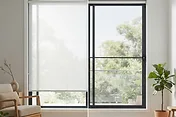
Roller shades are often a strong choice for commercial spaces because their profile is simple, neat, and easy to coordinate with many interiors. They can be made in light-filtering, solar-screen, or room-darkening materials depending on the level of visibility and light control required.
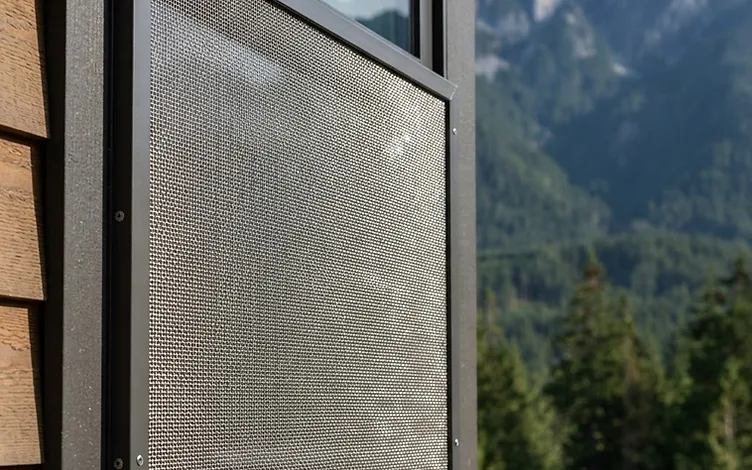
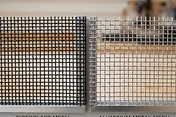
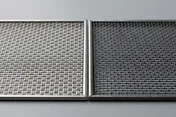
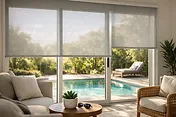
Solar fabrics are especially useful when a restaurant wants to reduce glare and UV exposure while maintaining an outward view. The openness factor matters here. A more open weave generally preserves more visibility but allows more light through; a tighter weave provides stronger glare reduction and added privacy. There is no universal right answer. A bright west-facing dining room may need a different fabric than a shaded storefront on a quieter street.
Zebra shades for adjustable daylight
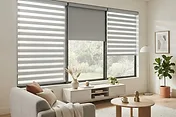
Zebra shades combine alternating sheer and opaque fabric bands, allowing the light level to be adjusted without fully raising the shade. They can work well in restaurants that want a softer, more decorative look and more flexibility throughout the day.
They are often best suited to areas where guests can appreciate the finished appearance, such as dining rooms, lounges, reception areas, or private event spaces. In a hard-working back-of-house setting, a straightforward roller shade may be the more practical option.
Motorized shades for hard-to-reach or high-use windows
Motorization is worth considering when shades are installed across multiple windows, mounted high above the floor, or adjusted frequently as the sun moves. Instead of asking staff to operate several manual shades during service, a manager can control a zone with a remote, wall control, or compatible smart-control setup.
This can be particularly useful for large front windows, upper clerestory glass, and rooms that shift from daytime dining to evening events. Motorization costs more upfront, so it makes the most sense where access, consistency, or frequent adjustment justifies the investment.
Match the fabric to glare, privacy, and cleaning needs
A shade can look perfect in a sample book and still perform poorly in the actual restaurant. Before selecting color or texture, consider the direction each window faces, nearby buildings, street activity, and what happens inside the space at different times of day.
A darker solar fabric may provide a clearer view outward during daylight hours, while a lighter fabric can brighten the room and better complement a pale interior. However, neither should be selected by appearance alone. Glare control, heat reduction, and nighttime privacy all need to be discussed at the same time.
Privacy deserves special attention. During the day, a restaurant can often see out through solar shade fabric while passersby have limited visibility inside. At night, when the interior is illuminated, that effect can reverse. If privacy after dark matters, a more opaque material or a layered approach may be needed.
Commercial spaces also benefit from fabrics that are durable and straightforward to maintain. Kitchen-adjacent windows, beverage stations, and high-traffic seating areas may need finishes that tolerate regular dusting and gentle cleaning. A professional installer can help identify materials that suit the location rather than simply choosing the most decorative option.
Measure for the window, not the building plan
Restaurant windows are rarely as simple as they appear in a floor plan. Frames may be uneven, trim may limit mounting space, doors may swing into the opening, and existing signage or lighting can interfere with shade placement. Large glass walls can also require several coordinated shades instead of one oversized unit.
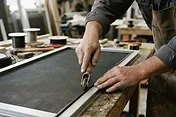
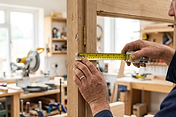
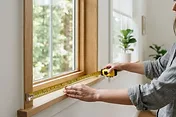
That is why on-site measurement matters. The installer should confirm the actual width, height, mounting depth, clearance around handles and door hardware, and where brackets can be securely fastened. For motorized systems, they should also review power access or battery options before fabrication begins.
Custom fitting creates a cleaner finished look and helps shades operate properly. It also avoids the common problem of ordering an off-the-shelf product that is close in size but leaves distracting gaps, rubs against trim, or cannot be mounted safely.
Plan shade zones instead of treating every window alike
Restaurants with many windows do not always need one shade style across every opening. A smarter approach is to create functional zones. The dining room may need light-filtering solar shades, while a private room needs more privacy. Front windows may require daily adjustment, while a staff office only needs occasional glare relief.
Consider these four questions during planning:
- Which tables receive direct sun during peak service hours?
- Where do staff need clear views of the entrance, street, or patio?
- Which windows are visible to guests and need a more polished finish?
- Which shades will be adjusted often enough to benefit from motorization?
A consistent color palette can tie different materials or shade types together. This gives the restaurant a cohesive look while allowing each area to perform according to its real needs.
Installation details that protect the finished space
Commercial installation should be scheduled with restaurant operations in mind. Measurements are usually quick, but final installation should account for opening hours, prep schedules, guest traffic, and access to window areas. Clearing tables and movable decor near the windows ahead of time helps the work move efficiently.
The mounting surface matters as much as the shade. Drywall, metal framing, wood trim, concrete, and storefront systems require different fastening methods. Properly installed brackets keep the shade level, support smooth operation, and reduce strain on the fabric and mechanism over time.
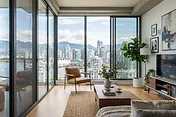
For businesses in the Lower Mainland, large windows are common in newer retail and mixed-use spaces. They bring in welcome daylight during gray months, but sunny summer afternoons can create intense heat and glare. Bloom Bug provides made-to-measure roller, zebra, and motorized shade options with professional measurement and installation, so the finished system fits the opening and the way the space is used.
Do not overlook patio doors and service-area openings
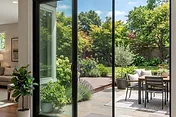
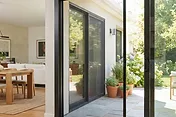
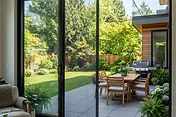
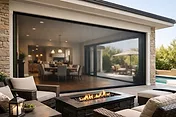
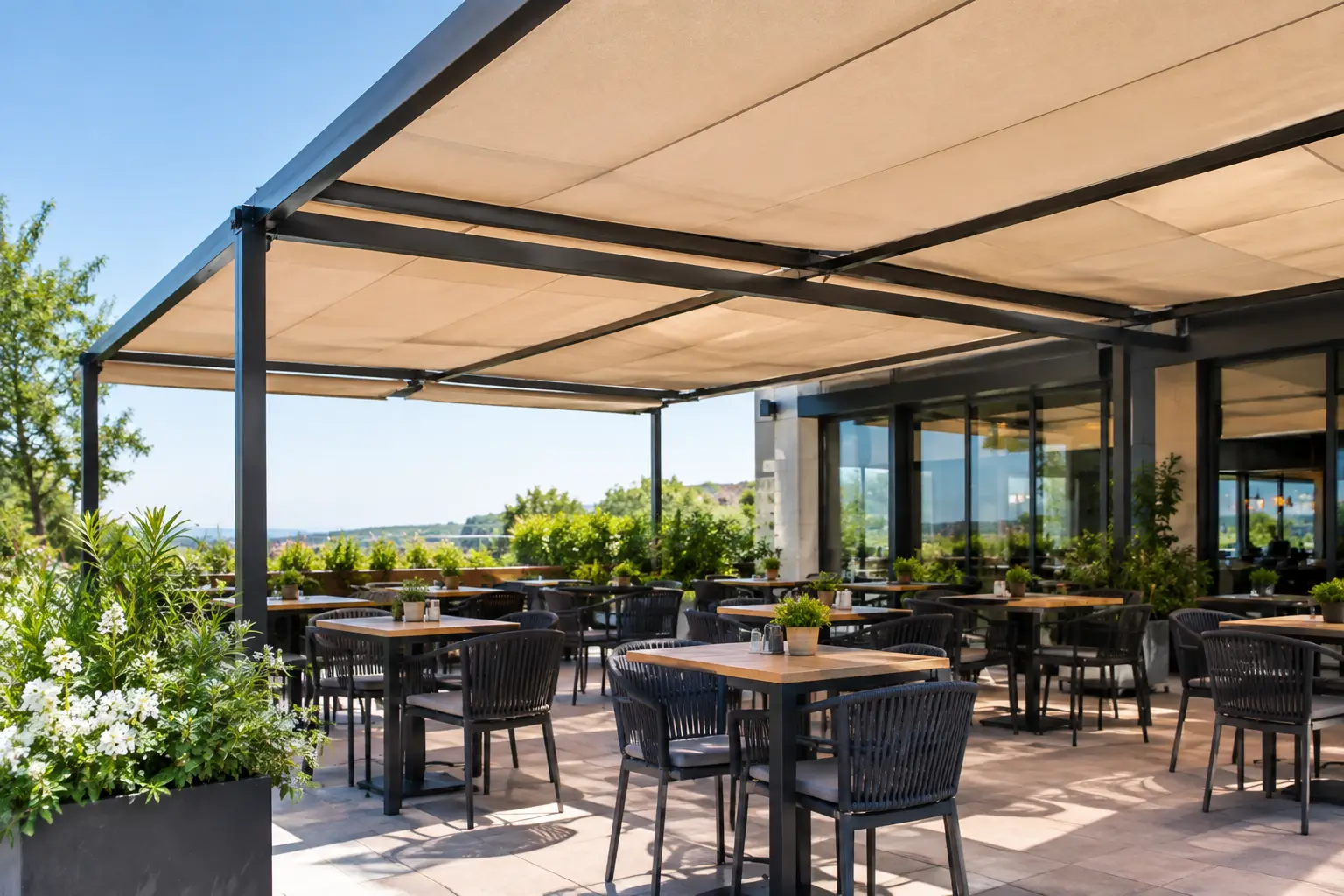
A restaurant with patio access may need more than window shades. Sliding doors and frequently used openings create a different challenge because coverings must allow people to move through easily. A standard window treatment can be awkward or easily damaged when installed where staff are constantly carrying trays, dishes, or supplies.
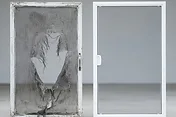
For those openings, the solution may involve separating the needs: use shades on fixed glass for sunlight control, and choose an appropriate screen or door-specific product where airflow and pest protection are the priority. Keeping these functions distinct helps avoid forcing one product to solve two incompatible problems.
A better first step than choosing a color
Before selecting fabric, spend a few days observing the room. Notice when sunlight crosses tables, when guests pull their chairs away from windows, where staff struggle with glare, and which areas feel too exposed after dark. Photos taken at breakfast, lunch, and late afternoon can make those patterns much clearer.
Bring those observations to the measurement appointment. A shade system should make the dining room easier to use, not just more finished to look at. When the fabric, controls, and installation details are chosen around real service conditions, guests stay comfortable and your team can focus on the meal rather than the sun.