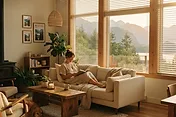
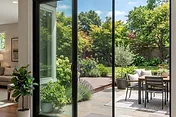
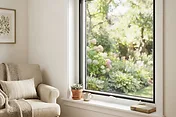
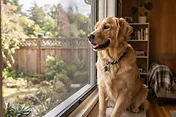
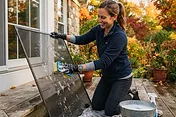
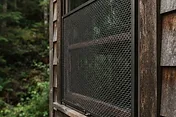

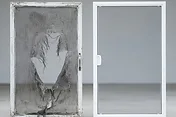
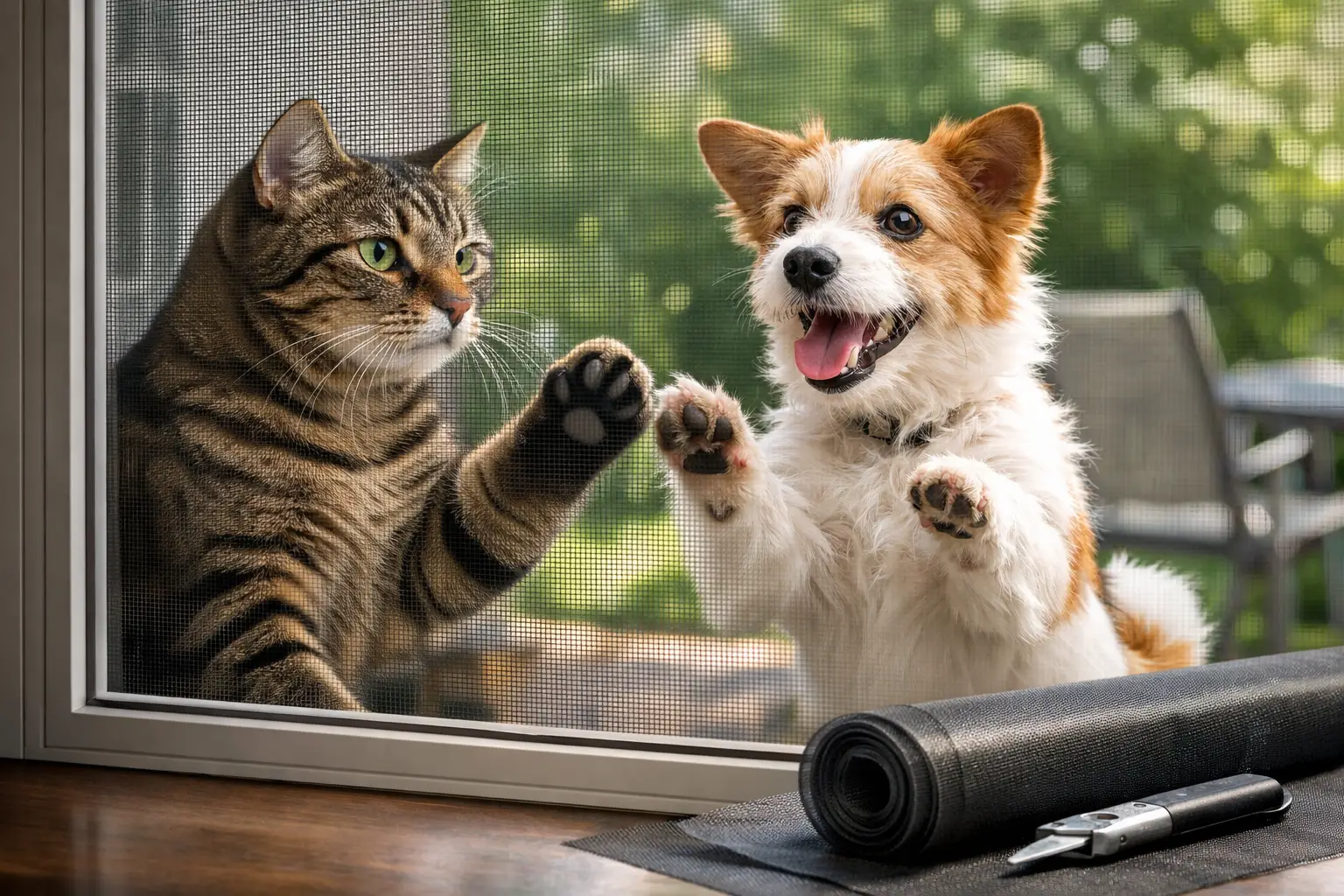
A cat perched on a windowsill, a dog greeting the delivery driver, and a screen that has been pushed, pawed, or climbed on more than once - that is where pet resistant window screen mesh earns its place. Standard insect mesh is designed to keep bugs out, not withstand repeated pressure from claws and curious pets. If your screens are sagging, snagged, or coming loose from the frame, a stronger mesh can help you enjoy open windows without treating every breeze like a risk.
For homes with pets, the right screen is about more than durability. It should still allow airflow, fit the opening properly, and look clean from both inside and outside. The material matters, but so do the frame, installation, and how your pet uses that particular window or door.
What Is Pet Resistant Window Screen Mesh?
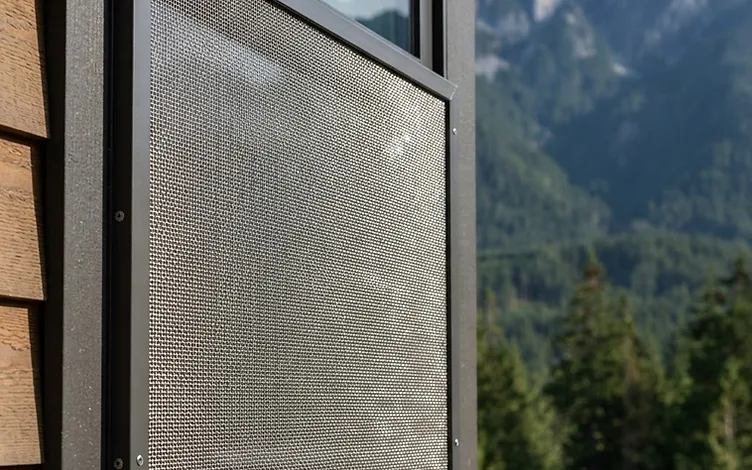
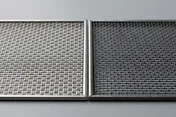
Pet-resistant mesh is a heavy-duty screen material made to handle more contact than conventional fiberglass insect screen. It is commonly manufactured from vinyl-coated polyester, which gives it greater strength and flexibility than standard mesh. Rather than tearing immediately when a claw catches the screen, the material is better able to resist punctures, pulls, and stretching.
That does not mean any screen is completely pet-proof. A determined dog can still push against a screen, and sharp claws can damage even tough material over time. Think of pet mesh as a meaningful upgrade in everyday resilience, not a safety barrier that should hold back the full weight of an animal.
For many households, it is especially useful on lower-level windows where pets look outside, windows beside a deck or patio, and doors that see frequent traffic. These are the openings where a standard screen often fails first.
Why Standard Screens Struggle Around Pets
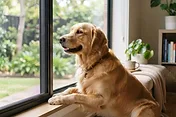
Traditional insect screens are usually made from lightweight fiberglass. They are effective for mosquitoes, flies, and other seasonal pests, but they are not intended to absorb repeated impact. A cat may hook a claw through the mesh while climbing. A dog may lean against a screen when it sees a squirrel, another dog, or someone approaching the front door.
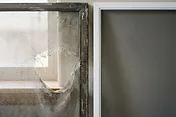
Once fiberglass mesh begins to fray or stretch, the screen can lose its tension. Small gaps may appear around the spline, the flexible cord that holds the mesh in the frame. At that point, the screen is less effective at keeping insects out and may look worn long before the frame itself needs replacement.
Replacing a damaged panel with the same lightweight mesh can turn into a cycle. For a pet-accessible opening, a stronger material is often the more practical choice from the start.
Where Pet-Resistant Screen Makes the Most Sense
Not every window needs heavy-duty mesh. Installing it strategically can provide the protection you need while preserving the view and airflow characteristics you prefer elsewhere.
Ground-floor windows are common candidates, particularly those near a pet bed, sofa, or favorite lookout spot. Basement windows, patio doors, French doors, and side-entry doors also deserve attention because pets often interact with these openings at close range.
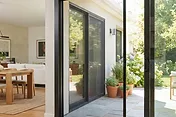
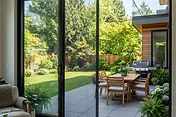
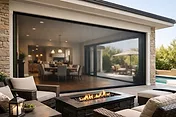
A sliding patio door can be a special case. The screen panel is exposed to frequent movement, hands, paws, and the occasional accidental bump. A pet-resistant mesh can reduce the chance of a torn panel, but the screen door frame, rollers, track condition, and latch also need to be working correctly. Stronger mesh cannot compensate for a bent frame or a door that does not slide smoothly.
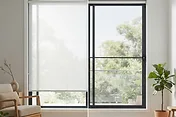
For upper-floor windows that pets cannot reach, standard insect mesh may be all you need. This targeted approach helps keep the project practical and cost-conscious.
Pet-Resistant Mesh vs. Standard Fiberglass Screen
The biggest advantage of pet mesh is strength. It is thicker and more durable than standard fiberglass, making it better suited to clawing, pushing, and normal daily contact. It can be a smart choice for active dogs, cats that climb, and homes with more than one pet.
The trade-off is that heavier mesh can be slightly more visible than standard insect screen. Because the strands are thicker, you may notice a modest change in outward visibility, especially when looking through a large uninterrupted window. Airflow can also be somewhat reduced compared with a fine, lightweight screen.
For most homeowners, the difference is worthwhile in high-contact areas. The goal is not to put the heaviest mesh on every opening by default. It is to match the mesh to the location, your pets' habits, and how important a clear view is in that room.
It Is Not the Same as Security Screening
A pet-resistant screen is designed to resist tearing and routine pressure. It is not a substitute for a security screen, window guard, or properly installed child-safety device. If a pet could fall through an open window, use appropriate window safety hardware and supervision. Screens should never be relied on as fall protection.
This distinction matters for homes with large dogs, elevated windows, or children. The right solution may include a durable mesh plus a separate safety measure, depending on the opening.
A Good Screen Starts With a Precise Fit
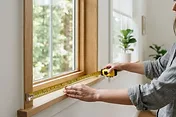
Even premium pet-resistant window screen mesh will not perform well if it is installed in a loose, warped, or poorly measured frame. A screen should sit squarely in the opening, maintain even tension, and use the correct spline size for the frame channel. Too little tension can leave the mesh floppy. Too much tension can bow a lightweight frame or create stress at the corners.
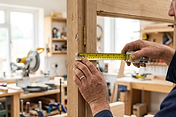
Custom measurement is especially valuable for older homes, large openings, and windows that have shifted slightly over time. Openings that appear identical can vary by enough to affect the fit. Off-the-shelf panels may be convenient, but they often leave homeowners dealing with gaps, rattling, or repeated adjustments.
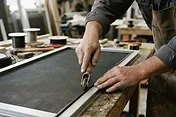
Professional installation also gives you a chance to assess the rest of the screen system. If the frame corners are cracked, pull tabs are missing, or the screen does not seat properly in the window, replacing mesh alone may not solve the real problem.
Choosing the Right Openings for a Pet-Screen Upgrade
Before replacing every screen, walk through your home and notice where the damage occurs. Look for claw marks, stretched mesh, bent frames, or screens that pets regularly press against. Also consider which windows stay open during warmer months, when mosquitoes, wasps, and other insects are more active around Lower Mainland homes.
It helps to prioritize openings based on use rather than room count. A single patio door that gets daily traffic may need more attention than several bedroom windows that are rarely opened. Likewise, a cat's favorite sunny window can be worth upgrading even if it is not near an entrance.
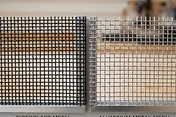
If rodents are part of the concern, ask about a mesh designed specifically for rodent resistance. Pet mesh and rodent-resistant mesh solve different problems. One focuses on damage from paws and claws, while the other is intended to provide added resistance against chewing or entry attempts by small animals.
Care Tips That Extend Screen Life
Heavy-duty mesh needs less worry, not zero maintenance. A few simple habits can help it last longer:
- Clean the mesh gently with water, mild soap, and a soft cloth or brush when dust and pollen build up.
- Check screen frames at the start of the warm season for loose spline, bent corners, and worn hardware.
- Keep sliding door tracks clear so the door moves smoothly instead of dragging or twisting the screen panel.
- Train pets not to jump against screens whenever possible, particularly at doors and elevated windows.
Avoid harsh chemicals, pressure washing at close range, or scraping at the mesh with sharp tools. These can damage the coating or loosen the material from the frame.
When Replacement Is Better Than Another Repair
A small isolated hole in an otherwise sound screen can often be repaired. But when mesh is stretched across several areas, the frame is worn, or the same panel keeps failing, replacement is usually the cleaner long-term answer. Switching from standard fiberglass to pet-resistant mesh at that point can reduce repeat repairs and restore a neat appearance.
For homeowners who want fresh air without an open invitation to bugs, a custom-fit screen should feel like a quiet part of the home that simply works. The best choice is the one that suits your pet's habits, holds its shape through daily use, and lets you open the window with more confidence.