

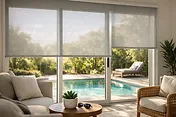
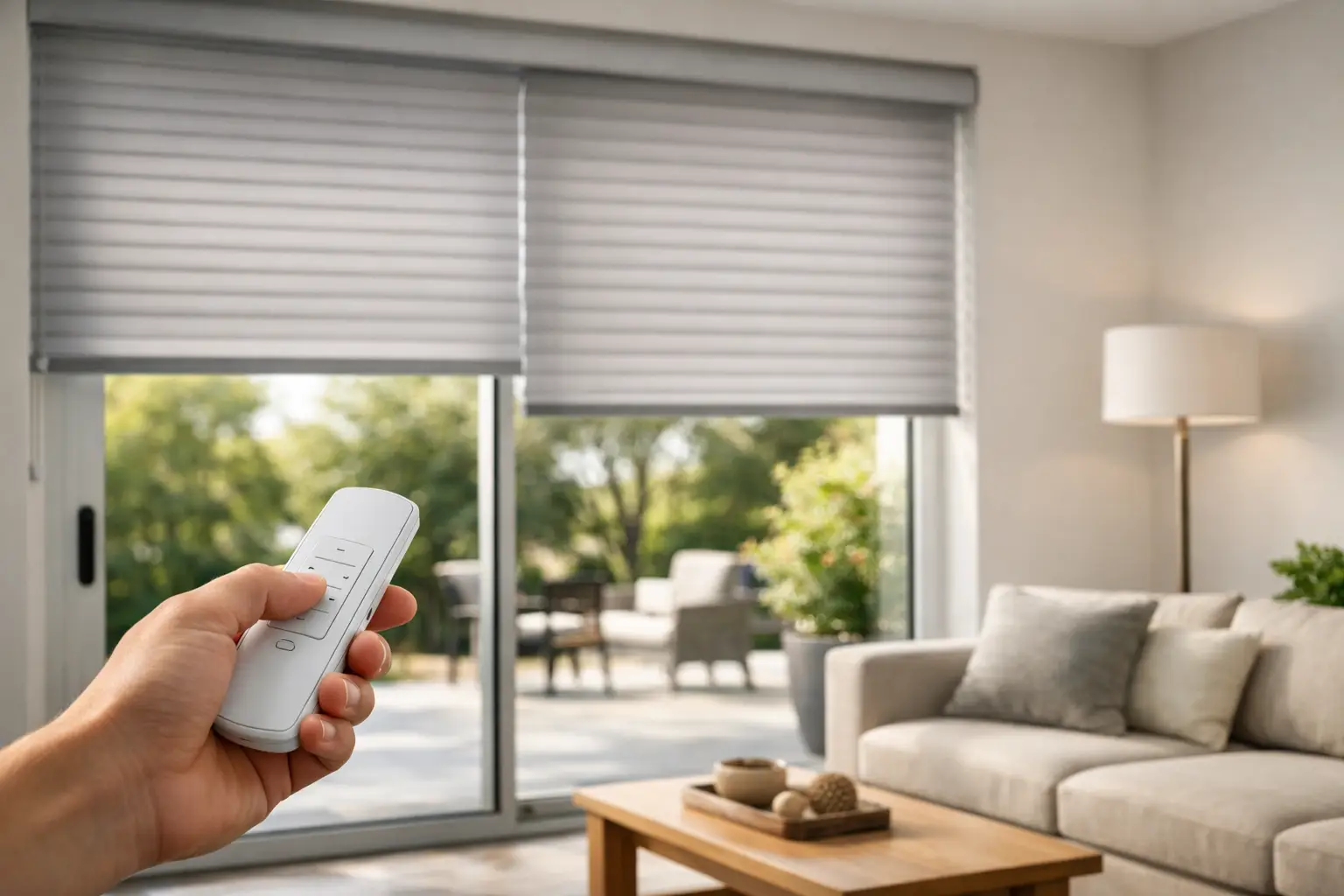
A sunny west-facing room can be beautiful right up until the afternoon glare hits the TV, heats the floor, and sends everyone searching for a better seat. Motorized blinds solve that everyday problem without asking you to reach across furniture, pull cords, or leave a window uncovered because it is simply inconvenient to adjust. With the right custom-fitted system, you can control privacy, daylight, UV exposure, and comfort with a remote, wall control, or smart-home routine.
For Lower Mainland homeowners, the appeal is practical. Our weather changes quickly, large windows are common in newer homes, and summer sun can make upper floors noticeably warmer. Motorized window coverings give you fast control when you need it, while still looking clean and tailored to the room.
Where motorized blinds make the biggest difference
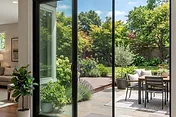
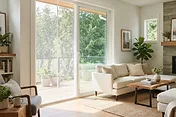
Motorization is useful in almost any room, but it is especially worthwhile where manual controls are awkward or used constantly. Tall living-room windows, stairwell windows, wide patio-facing glass, and windows behind a sofa are common examples. In these spaces, a beautiful shade is only useful if you can comfortably operate it.
Bedrooms are another strong fit. A scheduled shade can open gradually in the morning or close at night for privacy without another trip around the room. In a nursery, motorized operation removes dangling pull cords and makes nap-time darkening easier. For home offices, a quick adjustment can reduce screen glare while preserving enough natural light to keep the room pleasant.
Motorization is not only about convenience. Consistent use can help protect flooring, artwork, and furniture from direct UV exposure. Closing shades during the hottest part of a sunny day may also reduce solar heat gain, although results depend on the window direction, glazing, shade fabric, and how well the home is insulated.
Choosing the right motorized blinds for your windows
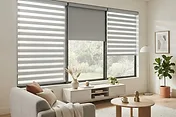
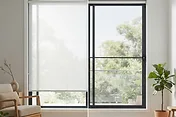
The best option starts with how you want the room to function. Roller shades offer a clean, minimal look and work well when you want broad fabric choices, from light-filtering materials to room-darkening options. Zebra blinds use alternating sheer and opaque bands, letting you shift between filtered daylight and more privacy without fully raising the blind. Both can be motorized for easy daily control.
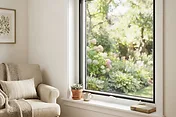
Fabric selection matters as much as the motor. A light-filtering fabric softens glare and keeps a daytime connection to the outdoors. It is often a good choice for living rooms, kitchens, and offices. Blackout or room-darkening materials are better suited to bedrooms, media rooms, and spaces where early morning light is unwelcome.
Keep in mind that blackout fabric alone does not always create total darkness. Light can still enter around the sides of the shade, especially with an inside-mounted treatment. If sleep quality or media viewing is the priority, discuss the window shape, mounting method, side gaps, and the need for an additional layer before ordering.
Color also affects the result. Lighter fabrics generally reflect more sunlight and create a softer look from inside. Darker fabrics can preserve a clearer outward view through certain solar materials, but they may absorb more heat. There is no universal best choice. The right fabric depends on whether your priority is glare reduction, privacy, temperature control, outside visibility, or a specific interior finish.
Battery-powered or hardwired?
Battery-powered motorized blinds are popular because they do not require electrical work at every window. They are well suited to finished homes, renovations where walls are already closed, and many standard-sized window treatments. Depending on the motor, shade size, use, and battery type, batteries will need periodic charging or replacement. That maintenance is usually manageable, but it should be considered before choosing the system.
Hardwired systems are often a smart choice for new construction, major renovations, or rooms with several automated shades. They eliminate battery charging and can create a very tidy long-term setup. The trade-off is planning. Wiring needs to be coordinated early with an electrician, particularly for high windows and multi-window installations.
Solar charging can be an option for some windows, helping extend time between charges. It is most useful where the panel receives enough daylight and can be positioned without compromising the finished look. A professional consultation can determine whether it makes sense for your specific window.
Remote control, wall switches, and smart controls
A handheld remote is straightforward and dependable. It can operate one blind, a group of blinds, or an entire room, depending on the setup. Wall-mounted controls offer a familiar switch-like experience and are useful for households that prefer simple, dedicated operation.
Smart controls add scheduling and app-based access. You might set bedroom shades to open on weekdays, lower west-facing shades before late-afternoon sun, or close all main-floor blinds at night. Voice control can also be convenient, but it should not be the only way to operate the system. Remotes and wall controls remain useful when Wi-Fi is interrupted, a phone is unavailable, or guests need an easy way to adjust the room.
Before choosing smart features, think about how often you will actually use them. A single hard-to-reach window may only need a remote. A home with multiple sun-exposed rooms may benefit more from grouped controls and schedules. The goal is a setup that feels helpful every day, not technology added for its own sake.
Why custom measurement matters for motorized blinds
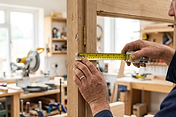
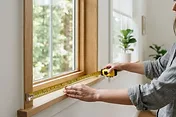
Motorized systems rely on accurate sizing, secure mounting, and proper motor setup. A shade that is too narrow can leave unwanted light gaps. One that is too wide may not fit the recess correctly. Uneven window frames, deep trim, handles, and nearby doors can all affect the mounting plan.
Professional measurement also helps determine whether an inside mount or outside mount will perform better. An inside mount creates a built-in appearance when the window recess is suitable. An outside mount can cover more of the window opening, reduce side light gaps, and work around shallow frames or obstructions.
For large or wide windows, the weight of the fabric and tube matters. A properly specified motor needs enough capacity to raise and lower the treatment smoothly over time. This is one reason off-the-shelf options can disappoint on oversized openings: the blind may fit the width on paper but lack the finish, control options, or durability needed for regular use.
At Bloom Bug, the process begins with a remote estimate, followed by precise on-site measurement after approval. That sequence keeps the buying process clear while making sure the finished blinds are made for the actual opening, not an assumed size from a quick tape-measure check.
What to expect from installation
A clean installation involves more than attaching brackets. The installer confirms the mounting position, checks that each blind sits level, programs limits so the shade stops at the intended upper and lower points, and tests remotes or grouped controls. For rechargeable systems, you should also know where charging access is located and what normal operation looks like.
Ask for a walkthrough before the installer leaves. You should be comfortable raising and lowering each shade, using the remote or wall control, and understanding any charging or battery requirements. If your system connects to smart-home controls, confirm what is included in setup and what may require your own network credentials or a separate home-automation provider.
Motorized blinds are designed for ease, but they are still moving products. Keep the area around the shade clear, avoid pulling the fabric by hand, and address unusual noise or uneven movement early. A properly fitted system should operate smoothly and quietly, not strain, rub, or stop short.
Common questions about motorized blinds
Are motorized blinds worth the added cost?
They are most worthwhile where you adjust blinds often, cannot easily reach the window, or want scheduled control over glare and privacy. For a rarely used basement window, manual operation may be perfectly reasonable. For a wall of living-room glass or several bedroom windows, motorization can become one of the most-used comfort upgrades in the home.
Can motorized blinds work during a power outage?
Battery-powered systems generally continue to operate while their batteries have charge. Hardwired systems may not operate during an outage unless the home has backup power. The exact behavior depends on the motor and control system, so this is worth confirming before purchase.
How long do motorized blinds last?
Longevity depends on product quality, correct sizing, frequency of use, and installation. Choosing a motor matched to the shade size, using durable fabric, and having the system professionally installed all support better long-term performance. Batteries and charging components are maintenance items, while the blind itself should be selected for the conditions of the room.
Can I motorize existing blinds?
Sometimes, but retrofitting is not always the best value or the cleanest result. Existing blinds may not have compatible tubes, brackets, or fabric condition for a reliable conversion. A new made-to-measure motorized shade often provides better fit, quieter operation, and control options designed as one complete system.
If you are considering motorized blinds, start with the windows that frustrate you most: the ones that are too high, too wide, too sunny, or too often left closed because adjusting them feels like a chore. A clear plan for those windows will make the rest of the decision much easier.