












A screen that keeps mosquitoes out but makes your living room feel dark, stuffy, or blurry is not the right screen. When homeowners ask how to select insect mesh, the best answer starts with the opening itself: where it is, how often you use it, what pests you are dealing with, and whether pets or children put extra pressure on the screen.
A standard window screen may be all you need for a bedroom window. A busy patio door, a home near wooded areas, or a property with a curious dog needs a more considered choice. The goal is simple: keep pests out, let fresh air in, and make sure the screen fits and functions well for years.
How to Select Insect Mesh by Looking at the Whole Opening
Mesh is only one part of a working screen system. The frame, track, door style, hardware, and installation all affect how well it performs. Before choosing a material, consider whether the opening is a fixed window, a casement window, a sliding patio door, French doors, or a large folding or multi-panel door.
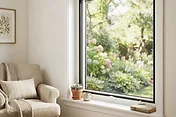
For windows, a fixed custom screen is often the cleanest and most practical solution. It can be measured to sit securely in the opening while still being easy to remove for cleaning. For doors, the screen needs to match the way your household moves through the space. A sliding screen can suit an existing sliding glass door, while a retractable screen can disappear into a discreet housing when not in use. This is especially useful for French doors, wide patio openings, and doorways with a clear view you do not want covered year-round.
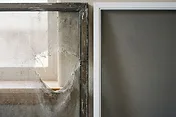
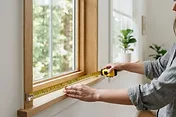
Custom measurement matters here. Even high-quality mesh cannot compensate for gaps around an ill-fitting frame. Insects are remarkably good at finding small openings, and a loose screen can rattle, bow, or come out of its track over time.
Start With the Pests You Want to Stop
The best mesh opening, often called the mesh count, depends on what is active around your home. Standard insect mesh works well for common mosquitoes, flies, moths, and wasps. It is a reliable everyday choice for many Lower Mainland homes, particularly on upper-floor windows and regularly used patio doors.
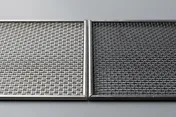
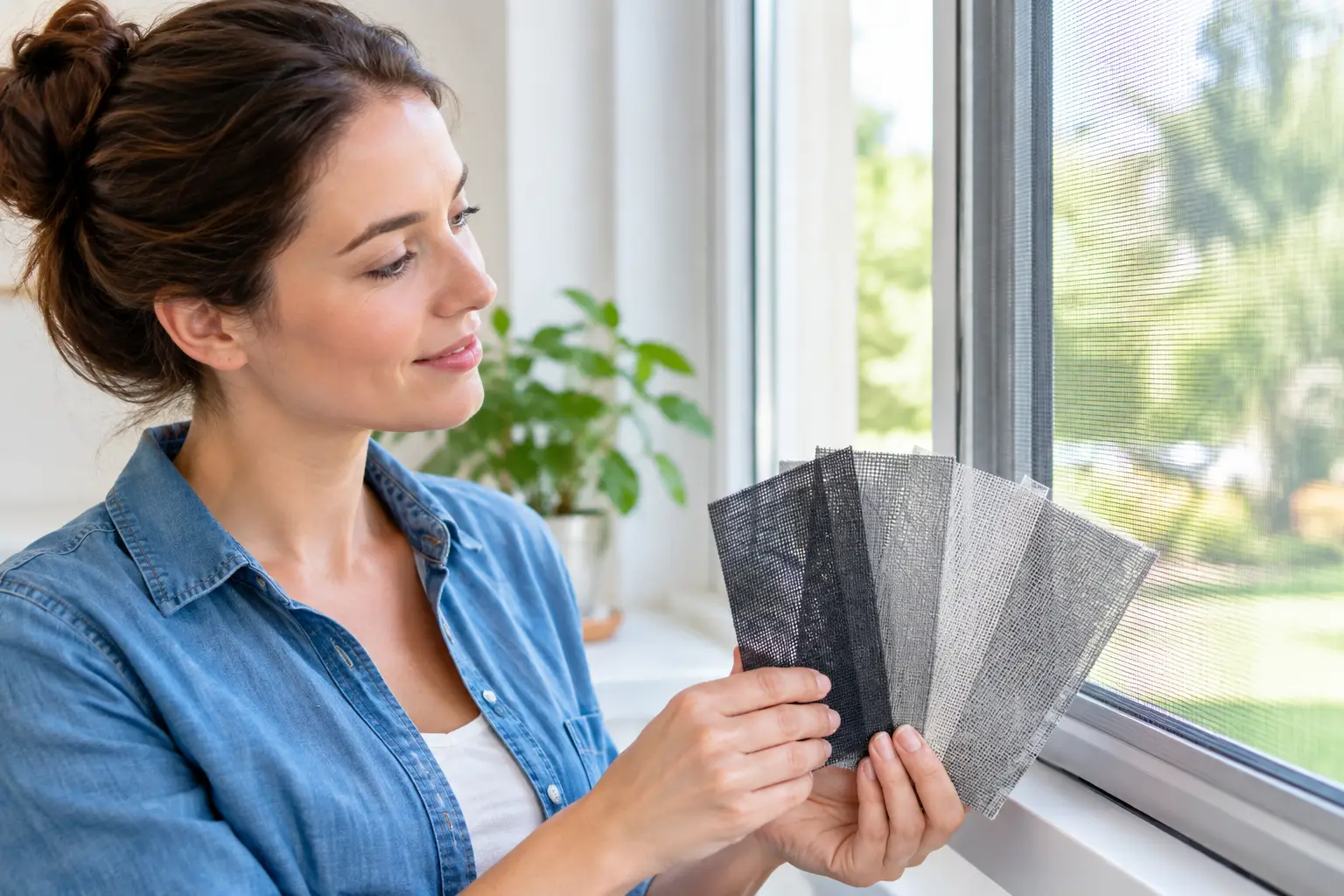
If tiny biting insects are a problem around your property, a finer mesh may be worth considering. Fine insect mesh has smaller openings that can help keep out smaller pests, but there is a trade-off: tighter mesh can reduce airflow and slightly soften your view through the screen. In a shaded bedroom or a breezy area, that may be an easy compromise. In a main living room where ventilation and sightlines matter most, standard mesh may feel better.
Rodent-repellent screening is a different category. Mice and squirrels can damage ordinary mesh where screens sit close to gardens, decks, crawlspace vents, or ground-level windows. A tougher screen material or reinforced solution can provide more resistance in those vulnerable locations. It should be selected for the specific opening rather than installed everywhere unnecessarily, since heavier material may affect visibility and airflow.
Choose a Mesh Material That Matches Daily Use
Most homeowners are choosing among fiberglass, aluminum, and stronger polyester-based mesh options. Each has a practical place.
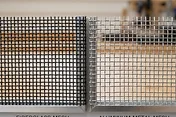
Fiberglass mesh is a common standard option because it offers good airflow, clear visibility, and dependable insect protection. It does not rust and generally performs well in ordinary residential window applications. For rooms without pets pressing against the screen or frequent impact, it is often the sensible choice.
Aluminum mesh is more rigid and can offer extra resistance to tearing compared with basic fiberglass. However, it can dent or crease if bent, and those marks are difficult to remove. It may suit certain applications, but it is not automatically the best upgrade for every window.
Pet-resistant mesh is designed for homes where dogs or cats lean, scratch, climb, or push against screens. It uses a heavier, more durable material that stands up better to paws and everyday contact. The trade-off is that it can be a little more visible than standard mesh. For a ground-floor patio door that your dog uses constantly, durability usually wins. For an upstairs window that no pet can reach, standard mesh may preserve the clearest view.
Do Not Overlook Airflow and Visibility
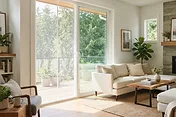
A screen should make an open window feel useful, not like a compromise. Mesh with larger openings generally allows more air through and is easier to see through, while finer mesh improves protection against very small insects. Neither is universally better.
Think about which rooms get hot in summer. A south- or west-facing room may need as much natural ventilation as possible in the evening. A finer mesh could slightly reduce that airflow, whereas standard mesh may provide a more open feel. On the other hand, a nursery, bedroom, or home office where small pests are especially irritating may justify a tighter weave.
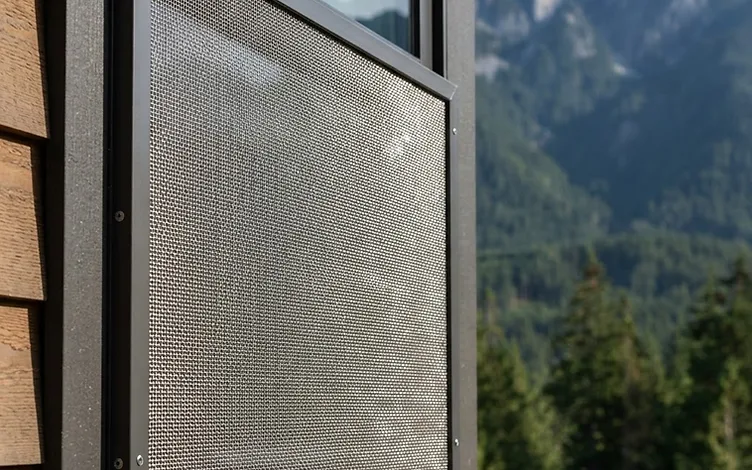
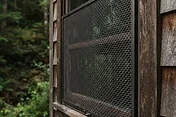
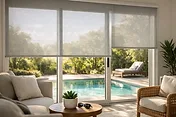
Color also affects visibility. Dark mesh often provides a clearer outward view because it absorbs more light and creates less reflected glare. It can be an excellent choice for windows facing a garden, mountain view, or patio. The final appearance also depends on the frame color and the window itself, so matching the screen to the existing opening helps the installation look intentional rather than added on.
Match the Screen to Your Door Style
Doors create the most screen-related frustration because they get used, bumped, and opened repeatedly. The right door screen should feel easy to operate for everyone in the household.
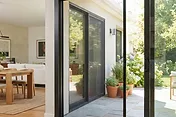
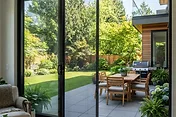
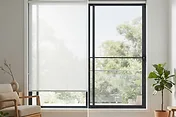
A sliding screen is often a practical fit for a standard sliding glass door. It moves along a track and gives consistent insect protection whenever the glass door is open. Good rollers, proper adjustment, and a precisely sized frame are key. A poorly fitted sliding screen can drag, jump the track, or leave gaps at the edges.
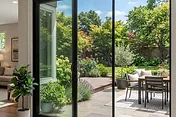
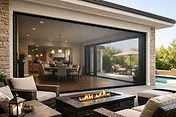
Retractable screens are useful for French doors, front entries, and openings where you want a clear doorway when the screen is not needed. The mesh retracts into a side cassette, leaving the opening unobstructed. This can be a great option for entertaining, carrying groceries outside, or maintaining the look of a beautiful door. Because retractable systems have moving components, professional measurement and installation help ensure smooth operation and secure closure.
For oversized openings, such as wide patio doors or multi-panel systems, look for a screen solution designed for the opening width and traffic level. Trying to adapt a standard door screen to a large opening usually leads to sagging mesh, awkward operation, and a shorter service life.
Consider Frame Quality and Installation, Not Just Mesh
It is tempting to compare screens by mesh alone, especially when shopping online or looking at inexpensive cut-to-size kits. But the frame is what keeps the mesh tensioned, aligned, and secure. A quality custom frame should sit squarely in the opening, use suitable corner construction, and hold the mesh evenly without ripples.
Professional measuring is particularly valuable in older homes, new builds with nonstandard window dimensions, and doorways that are not perfectly square. Even a small variation in width can affect how a screen fits and seals. An on-site measurement also gives you a chance to discuss handle placement, track condition, frame color, pet access, and whether the opening needs a different style of screen altogether.
For homeowners who want the right balance of protection and appearance, Bloom Bug can help identify the mesh and screen configuration that suits each opening rather than applying one product everywhere. That approach is often more cost-effective, too: invest in stronger materials where they are needed and keep simple windows simple.
A Quick Decision Guide for Common Situations
If you are choosing for an average bedroom or living room window, standard insect mesh in a well-fitted frame is usually the right starting point. For areas with tiny insects, consider fine mesh after deciding whether the modest reduction in airflow is acceptable.
For a patio door used by pets, choose pet-resistant mesh and a door system built for regular traffic. For a ground-level window near shrubs, decks, or potential rodent activity, ask about a tougher, rodent-resistant option. For French doors or a wide opening where aesthetics matter, a retractable screen may offer the most flexible result.
The best screen is rarely the strongest or finest mesh available. It is the one that suits how you live in the room, holds up to daily use, and lets you enjoy fresh air without inviting pests indoors.