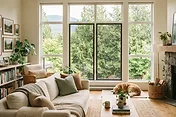

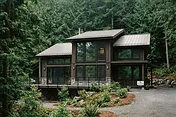
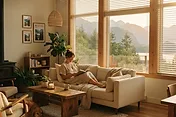
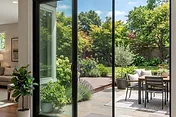























A patio door should let you step outside without inviting mosquitoes, wasps, and flies inside. Knowing how to choose patio screens starts with looking at how you actually use the opening: how often the door is opened, who uses it, whether pets go in and out, and how much space you have around the frame.
The right screen feels almost invisible when it is working well. It slides or retracts smoothly, keeps bugs out, lets fresh air move through the home, and fits the door without looking like an afterthought. The wrong one can snag, rattle, block your doorway, or sit unused because it is inconvenient.
Start With Your Patio Door Type
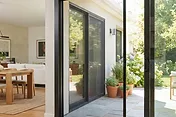
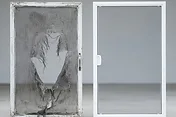
Your door configuration determines which patio screen will be practical. A standard sliding glass door often works well with a sliding screen panel that runs on its own track. This can be a straightforward, durable choice when there is enough track space and the existing door system is in good condition.
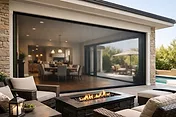
French doors, single swing doors, and doors that open outward need a different approach. A retractable screen is often a better fit because it can pull across the opening when needed and disappear into a slim housing when not in use. That keeps the doorway clear for carrying groceries, moving furniture, or enjoying an unobstructed view.
For larger patio openings, such as multi-panel glass doors, folding doors, or wide openings to a deck, look for a screen system designed for larger spans. A small screen adapted to a big opening is more likely to feel flimsy or difficult to operate. Larger openings need stable tracks, secure latching, and mesh that stays properly tensioned from edge to edge.
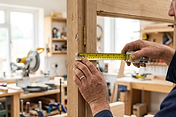
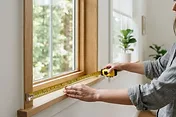
Before choosing, measure the visible opening, not just the overall door frame. A professional site measure is especially valuable for older homes, uneven frames, oversized doors, and patio doors with handles or trim that may affect clearance.
How to Choose Patio Screens for Your Daily Routine
The best choice is not always the strongest or most expensive screen. It is the one your household will use consistently.
If your family opens the patio door dozens of times a day, ease of operation matters. A screen should glide without a hard pull, close reliably, and be simple for children, guests, and older family members to use. For busy homes, a magnetic or latch-based closing system can make a noticeable difference.
If you mainly open the door in the evening for cooler air, your priorities may be different. You may care most about insect protection, a tight perimeter seal, and mesh fine enough to reduce small flying pests. In the Lower Mainland, that can be particularly useful during mosquito season and on warm evenings when patio lights attract insects.
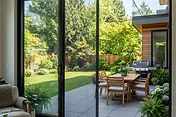
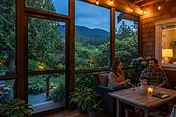
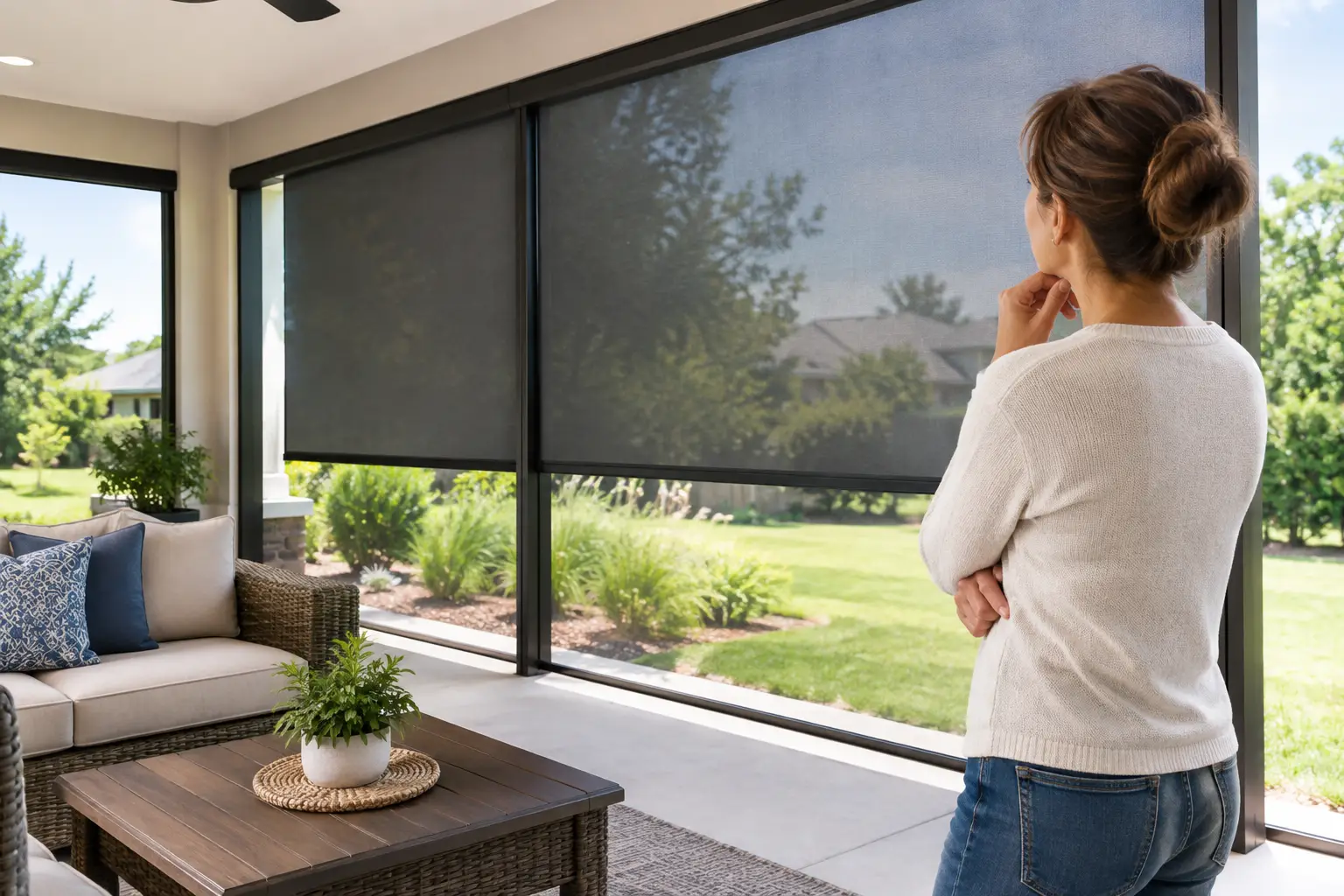
For a covered patio that functions as an outdoor room, consider whether you want to screen only the door opening or create protection across a much wider area. Door screens are ideal for protecting the entrance into the house. Wider patio screening can make more sense when the goal is to make the outdoor living area itself more comfortable.
Choose the Right Screen Style
Most homeowners are choosing between sliding, retractable, and fixed screen solutions. Each has a place.
Sliding patio screens
Sliding screens are a practical fit for many traditional sliding glass doors. They stay in place, are easy to understand, and can provide dependable airflow and insect protection. Quality matters here: a custom-fit panel with smooth rollers and a solid frame will perform much better than a lightweight replacement screen that flexes or falls off track.
The trade-off is visibility and access. The screen remains in front of part of the doorway, and it may need occasional track cleaning to keep it moving smoothly. This is often a sensible option for a frequently used sliding door, provided the track is compatible.
Retractable patio screens
Retractable screens are popular for French doors, swing doors, and openings where homeowners want the screen out of sight when it is not needed. The mesh rolls into a side cassette, leaving a clean, open doorway during colder months or when entertaining.
They are also a strong option for homes where appearance matters as much as function. The housing can be selected to coordinate with the door frame, and the screen does not permanently interrupt the view. However, retractable systems need accurate installation. Proper tension, level mounting, and secure top and bottom guidance are what keep the screen tracking smoothly over time.
Large-opening screen systems
For wide patio doors, the system needs to be engineered for the size of the opening. Look for a solution with a stable frame, guided operation, and a closing method that keeps the mesh secure in breezy conditions. A larger opening often requires a custom configuration rather than a one-size-fits-all product.
This is where professional measurement matters most. Door widths, sill depth, handle projections, uneven surfaces, and nearby trim can all affect what will fit and how the finished screen will look.
Match the Mesh to the Problem You Want to Solve
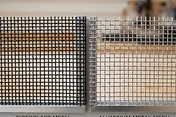
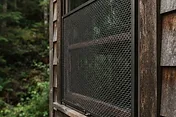
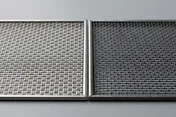
Not all screen mesh serves the same purpose. Standard insect mesh is a good choice for most homes because it keeps common flying pests out while allowing plenty of airflow and natural light.
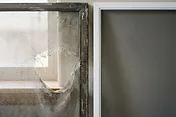
If pets are part of the household, consider pet-resistant mesh in the areas they use most. A standard mesh can tear when a dog presses against it or a cat climbs it. Pet-resistant mesh is tougher, but it can slightly reduce visibility and airflow compared with a lighter mesh. That trade-off is often worthwhile if replacing damaged screens every season has become frustrating.
If rodents are a concern around a ground-level patio, garage-adjacent door, or garden-facing opening, ask about stronger mesh options and secure frame details. Mesh alone is only part of the solution. The screen must fit tightly around the perimeter so pests cannot find gaps at the edges.
For homes near busy streets or close neighbors, a patio screen can also support privacy, but it should not be expected to replace a privacy blind or shade. Screens are primarily for airflow and insect control. If you need stronger daytime privacy, glare reduction, or UV control inside the home, pairing your patio solution with appropriate window coverings may be the better approach.
Look Closely at Frame, Tracks, and Hardware
The mesh gets the attention, but the frame and hardware determine how a patio screen performs after the first few months. A good system should feel solid without being bulky. It should resist warping, have smooth-moving components, and use hardware suited to frequent operation.
Ask how the screen is held in place. For retractable options, guided tracks or magnetic retention can help keep the screen stable. For sliding panels, quality rollers and a properly fitted track are essential. If your patio is exposed to wind, make sure the chosen system is appropriate for that exposure. A screen that works well in a sheltered courtyard may not be the right fit for an open, windy deck.
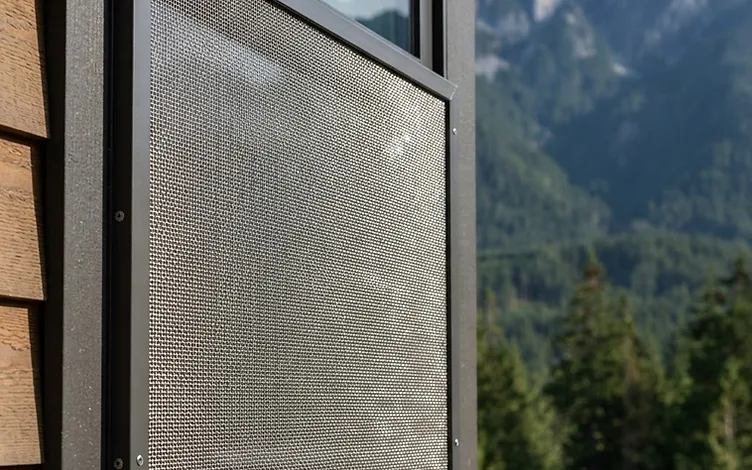
Color is another detail worth considering early. A frame that closely matches the patio door usually gives the cleanest finish. Dark mesh can often provide better outward visibility because it creates less glare than lighter mesh, while frame color should complement the door, trim, and exterior finishes.
Do Not Skip the Installation Questions
A made-to-measure patio screen is only as good as its final fit. Homes are rarely perfectly square, especially older properties or doors that have settled over time. Professional measuring accounts for those small variations before fabrication, rather than trying to solve them with oversized gaps or improvised adjustments on installation day.
When comparing quotes, confirm what is included: measuring, fabrication, installation, warranty coverage, and any removal or adjustment of existing screen components. A lower initial price can become less appealing if it does not include the work needed to make the screen operate properly.
It is also reasonable to ask how long the process takes and who will be responsible if the fit needs adjustment. A local screen specialist should be able to explain the process clearly, from remote estimate to on-site measurement and final installation.
Plan for Simple Maintenance
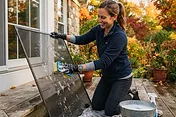
Patio screens do not need much upkeep, but a little care protects their lifespan. Vacuum or gently brush dust and pollen from the mesh, rinse it with mild soap and water when needed, and keep sliding tracks clear of grit. Avoid forcing a screen that is sticking, since the problem may be debris, a roller adjustment, or an alignment issue.
Retractable screens should be operated with a steady, controlled motion rather than snapped closed. During periods when the screen will not be used, retracting it helps protect the mesh from weather and accidental damage.
A well-chosen patio screen should make fresh air easier to enjoy, not add another household chore. Choose the system around your doorway, your pets, your traffic patterns, and the way you want your patio to feel on a warm evening. When the fit is precise and the operation is effortless, opening the door becomes the simplest part of enjoying your home.