













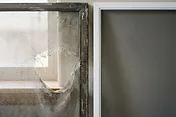

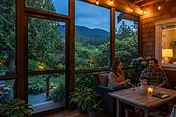








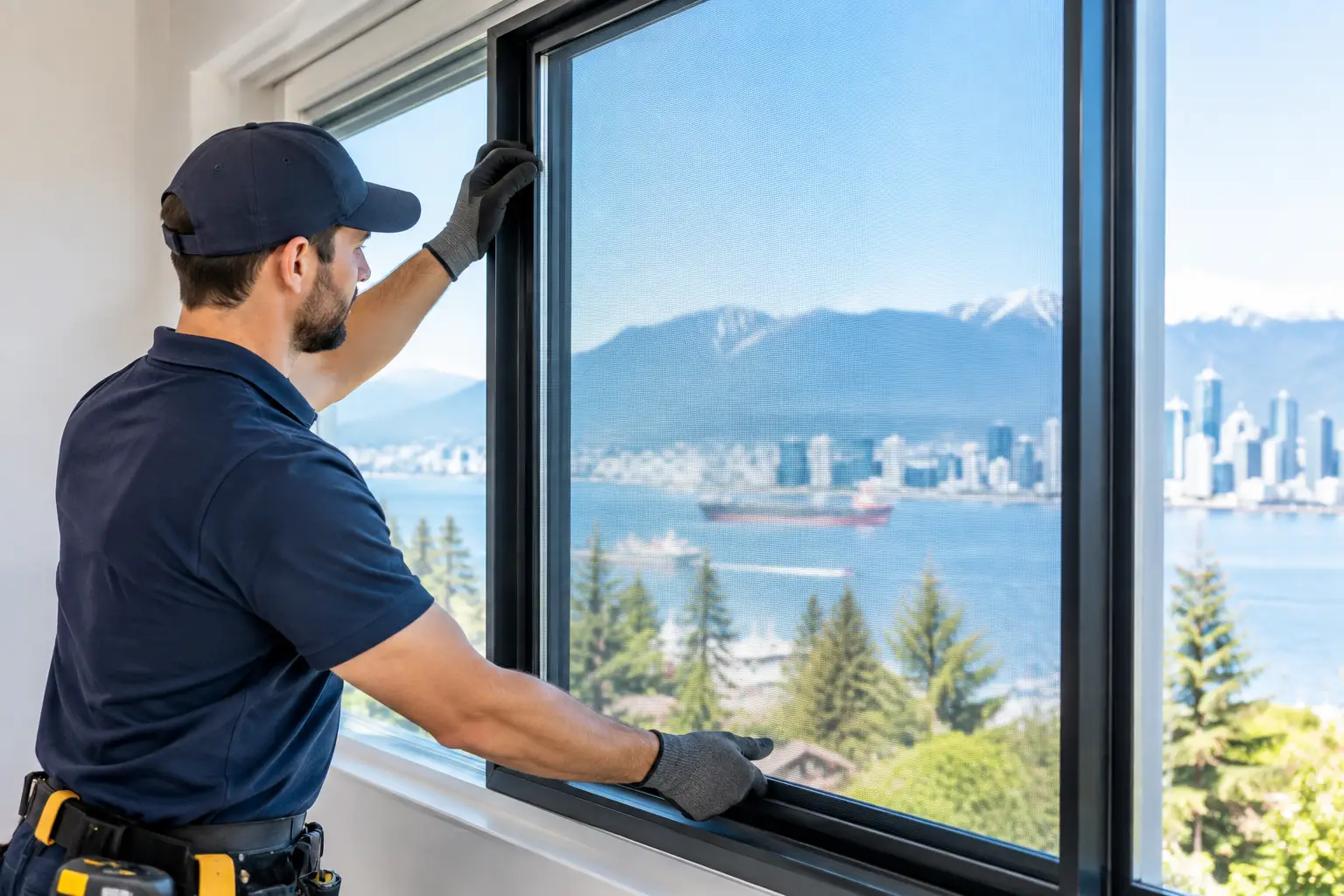
A warm evening should not end with mosquitoes circling the kitchen, wasps finding their way through an open patio door, or a loose screen rattling in the frame. When homeowners search for the best Vancouver screen installers, they are usually looking for more than mesh in a frame. They want fresh air, a clean finished look, a screen that fits properly, and a local professional who can handle the details from measurement to installation.
The right choice depends on your windows, doors, household needs, and how you use the space. A standard screen may be perfect for a bedroom window, while a large patio opening, French door, pet-heavy home, or rodent concern calls for a more specialized solution.
What Sets the Best Vancouver Screen Installers Apart
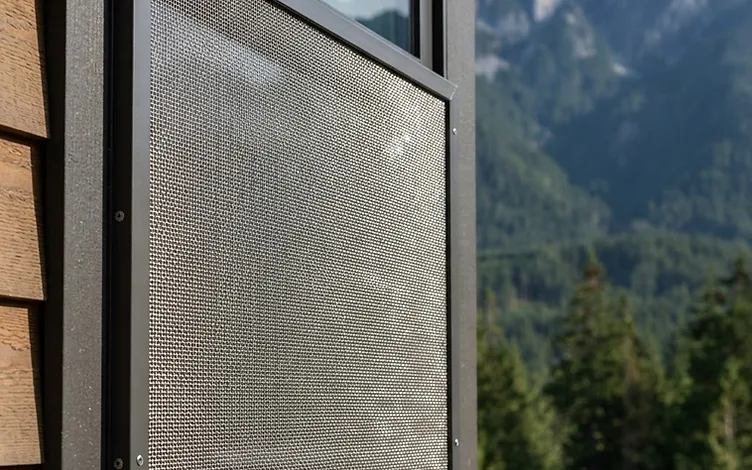
The biggest difference between a screen that works well for years and one that becomes a seasonal frustration is fit. Store-bought screens can be useful as a temporary option, but they are rarely designed for the small variations in real window frames, older homes, new construction, or patio doors. Even a slight gap can invite insects in, affect how the screen sits, or make removal awkward when it is time to clean the window.
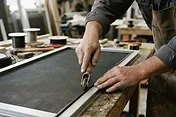
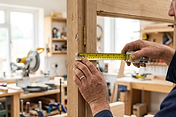
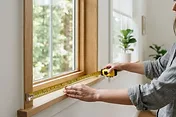
A professional installer starts by understanding the opening itself. That includes the frame depth, operating style, hardware placement, tracks, handles, and any obstructions that may affect the final product. Precise onsite measurement matters especially for sliding doors, oversized openings, tilt-and-turn windows, and homes where no two window openings are quite alike.
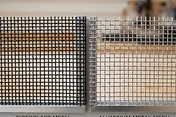
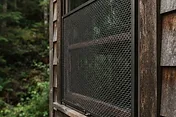
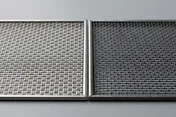
Materials matter just as much. Standard insect mesh is a sensible choice for many homes, but it is not the only option. Households with dogs or cats may benefit from pet-resistant mesh that better handles claws and pressure. Homes near greenbelts or areas with recurring rodent activity may need a stronger screen option. For doors that open constantly during summer, a retractable or sliding screen can make the difference between keeping the patio usable and keeping it shut.
The best installers also explain those trade-offs clearly. Stronger mesh can be a smart investment, but it may slightly change visibility or airflow compared with standard mesh. A retractable screen keeps sightlines clean when not in use, while a sliding screen may be better suited to certain door configurations. Good advice is based on how you live in the home, not on selling the same product for every opening.
Start With the Problem You Want to Solve
Before comparing installers, walk through your home and identify where open windows or doors create the most frustration. This keeps the conversation focused and helps you spend where the improvement will matter most.
For many families, the priority is bedroom windows. Fresh nighttime air is welcome, but an ill-fitting screen can mean mosquitoes, flies, and other pests indoors. In kitchens, screens need to be easy to remove for window cleaning and durable enough for frequent use. On patios, the concern is usually access: homeowners want to carry food, drinks, and garden supplies outside without fighting a cumbersome door screen.
A few common needs point toward different solutions:
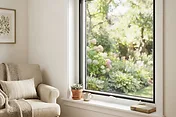
- Standard custom window screens work well for everyday insect protection and natural ventilation.
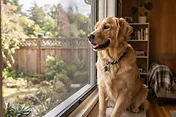
- Pet-resistant screens are built for homes where claws, paws, and excited door traffic can damage ordinary mesh.
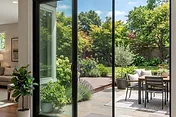
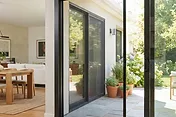
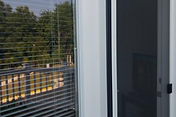
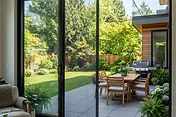
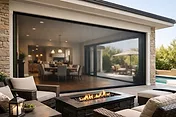
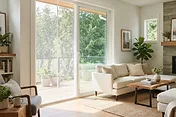
- Retractable door screens suit many single doors, French doors, and wide openings where homeowners want the screen to disappear when not needed.
- Sliding door screens can be a practical fit for compatible patio door systems and high-use exterior access points.
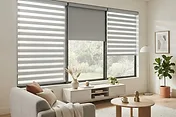
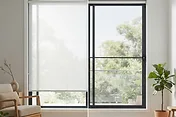
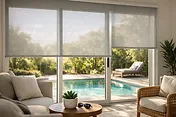
- Custom blinds, roller shades, zebra shades, and motorized treatments address a related concern: privacy, glare, UV exposure, and unwanted heat when windows are closed.
A screen installer with window-covering experience can be particularly helpful when airflow and light control need to work together. A west-facing living room, for example, may need insect protection during evening ventilation and a shade solution for strong afternoon sun.
Questions to Ask Vancouver Screen Installers
A quick estimate is convenient, but it should lead to a clear process. Ask whether the company can provide a remote estimate from photos and approximate dimensions, then confirm final sizing onsite before fabrication. This approach saves time without guessing at the details that determine fit.
Ask what is included in the quoted price. You should know whether measurement, fabrication, delivery, installation, and any required hardware are part of the scope. A low starting price is not always the lower final cost if essential work appears later as an add-on.
It is also reasonable to ask about material choices, expected lead time, and who will install the product. Local fabrication can help keep timing practical, but availability varies by product, finish, and season. During peak spring and summer demand, booking earlier can make a noticeable difference.
Finally, ask how the company handles an issue after installation. A responsive installer should be prepared to assess a fit concern, explain proper use and care, and stand behind the work performed. Licensing and insurance are useful trust signals as well, particularly when work involves larger door systems or commercial properties.
Why Measurement Is Not a Detail
Homeowners sometimes assume all screens are interchangeable because the opening looks rectangular. In practice, frames can be slightly out of square, tracks can be worn, and door hardware can take up more clearance than expected. These details affect not only appearance but daily use.
For a window screen, accurate measurement helps prevent bowing, loose corners, and gaps around the perimeter. For a retractable door screen, it helps ensure the unit operates smoothly, latches correctly, and does not interfere with existing trim or handles. For a sliding screen, the installer needs to assess the track, rollers, and the way the existing patio door moves.
This is where an onsite visit earns its value. Measurements taken after a quote is approved allow the product to be made for the actual opening rather than a rough estimate. The result should look intentional, operate comfortably, and preserve access to the door or window you use every day.
Custom Screens vs. Off-the-Shelf Options
Off-the-shelf screens can make sense for a short-term need, a simple standard-size opening, or a budget-conscious temporary fix. They are readily available, and some homeowners are comfortable trimming or adjusting them themselves.
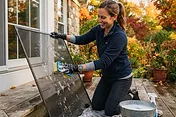
But they have limits. DIY products can be difficult to fit neatly around irregular frames, may not match the color or profile of existing windows, and often offer fewer choices for pets, wide doors, or specialty openings. They can also shift the responsibility for measuring, installation, adjustments, and future repairs back to the homeowner.
Custom installation costs more than a basic retail screen because it includes tailored fabrication and professional labor. For homeowners who want a polished look, reliable operation, and a single point of accountability, it is often the more practical long-term choice. It is especially worthwhile for patio doors, French doors, large openings, and homes with multiple screens that need to look consistent.
Timing Your Screen Installation
Spring is the busiest time to think about screens, usually right when homeowners start opening windows again. That is also when insects become harder to ignore. Planning before the first warm stretch gives you more time to consider products rather than making a rushed decision after a patio dinner turns into a bug problem.
Still, screens are not only a spring purchase. Fall and winter can be good times to replace damaged screens, prepare for the next season, or coordinate new screens with blinds or shades during a renovation. Many custom screen projects can move from measurement to installation within one to two weeks, depending on the product and project scope.
A Better Way to Choose an Installer
The best choice is not necessarily the company with the broadest list of home services. Screen and window-covering work has its own measurements, hardware, product options, and installation details. A focused specialist is more likely to spot concerns early and recommend an option that suits the opening.
Bloom Bug works with homeowners across Greater Vancouver and the Lower Mainland who want custom-fit insect screens, door screens, and window coverings without a drawn-out process. The service begins with a free remote estimate, followed by exact onsite measurement and professional installation once the project is approved.
Look for clear communication, product choices that match your actual needs, and a quote you can understand before work begins. A well-fitted screen is a small home improvement with an everyday payoff: open the window, use the patio, let the air move through, and leave the bugs outside where they belong.